The Resilience of Faith: Chinese Churches in Hong Kong Amidst Political Turmoil
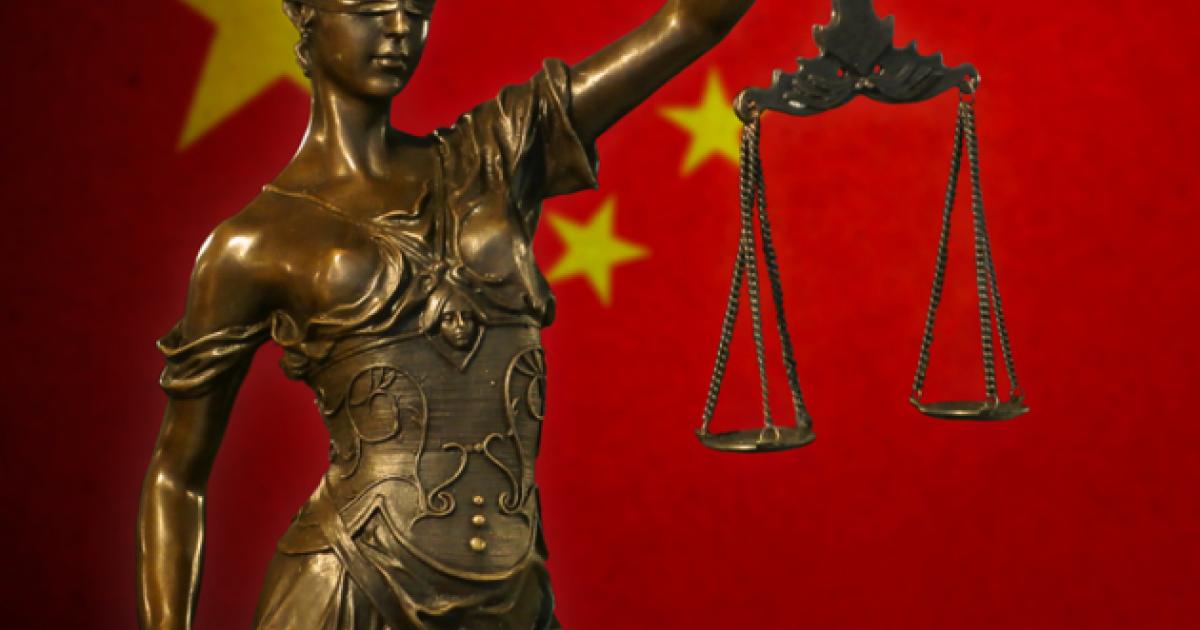
As political tensions continue to rise in Hong Kong, the role of Chinese churches becomes increasingly significant. This report explores how these institutions are navigating the challenges posed by the changing political landscape while fostering community and resilience.
Introduction
In recent years, Hong Kong has witnessed a profound transformation, with political unrest and a tightening grip from Beijing reshaping the landscape of civil society. Amidst this turmoil, Chinese churches in the region have emerged as crucial bastions of faith, community, and resilience. This report delves into the evolving role of these religious institutions, their challenges, and the impact they have on the lives of their congregants.
The Changing Landscape
Historically, churches in Hong Kong have served as places of worship and community gathering. However, the political climate has forced many religious organizations to reassess their roles. With the implementation of the National Security Law in 2020, churches have faced increased scrutiny from authorities. Some congregations have opted for a more subdued approach to their activities, while others have taken a bold stance in advocating for human rights and freedom of expression.
Community Support and Solidarity
Despite the challenges, many Chinese churches have become sanctuaries for those seeking solace amid chaos. They provide not only spiritual guidance but also practical support for individuals affected by political repression. Initiatives such as food drives, mental health counseling, and legal aid have been organized by various congregations, demonstrating their commitment to serving the community. These acts of solidarity have fostered a sense of unity among church members, reinforcing their collective identity in the face of adversity.
Faith Under Pressure
For many church leaders, the pressure from the government has necessitated a careful balancing act. Some pastors have chosen to emphasize spiritual teachings over political discourse, aiming to maintain their congregation's focus on faith rather than the tumultuous political environment. Others, however, have felt compelled to speak out against injustices, citing their moral obligation to advocate for the oppressed. This divergence in approach has sparked debates within congregations about the role of faith in activism.
The Youth and the Future
One of the most significant aspects of the church's role in Hong Kong is its influence on the younger generation. Many young people are seeking spaces where they can express their beliefs freely and discuss the socio-political issues affecting their lives. Churches have become platforms for dialogue and empowerment, encouraging youth to engage in community service and social justice initiatives. This engagement not only strengthens their faith but also instills a sense of responsibility towards their community.
Challenges Ahead
As Hong Kong continues to navigate its complex political landscape, the future of Chinese churches remains uncertain. The potential for further crackdowns on religious institutions looms large, and many fear that the space for free expression will continue to shrink. Nevertheless, the resilience demonstrated by these churches and their congregations offers a glimmer of hope. They serve as reminders of the enduring power of faith and community in the face of adversity.
Conclusion
In conclusion, Chinese churches in Hong Kong are not merely places of worship; they are vital community hubs that provide support, solidarity, and hope amidst political turmoil. As they adapt to the changing environment, their role in shaping the social fabric of Hong Kong will undoubtedly continue to evolve. The resilience of faith in this context serves as a testament to the strength of human spirit, even in the most challenging of times.