The Resilience of Hong Kong's Candlelight Vigil Tradition Amidst Political Turmoil
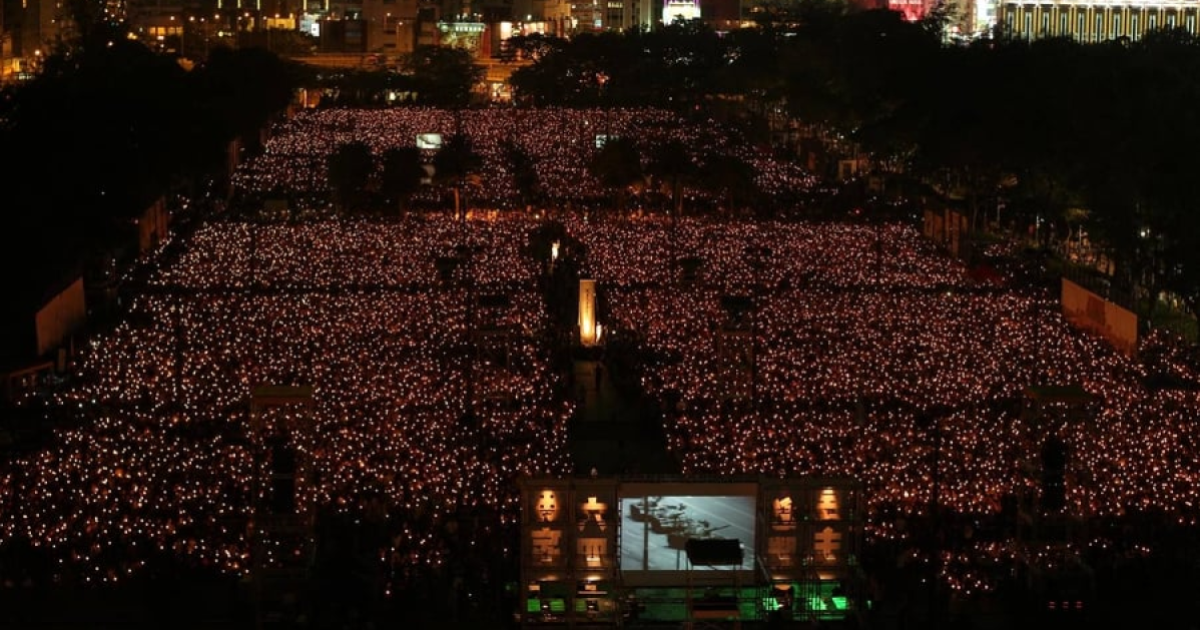
As the annual candlelight vigil in Hong Kong faces increasing restrictions, the spirit of remembrance and resistance remains unyielding. This report explores the significance of these gatherings in the context of the city's ongoing struggle for democracy.
The Resilience of Hong Kong's Candlelight Vigil Tradition Amidst Political Turmoil
For over three decades, the candlelight vigil held annually on June 4th in Hong Kong has served as a poignant reminder of the Tiananmen Square massacre, a symbol of the city's unwavering commitment to democracy and human rights. However, in recent years, the tradition has faced significant challenges as the political landscape of Hong Kong continues to evolve under increasing pressure from the mainland Chinese government.
The vigil, which typically attracts thousands of participants, has been a space for collective mourning and reflection, allowing residents to honor the memory of those who lost their lives during the 1989 protests in Beijing. Despite the growing restrictions and the chilling effect of the National Security Law imposed in 2020, many Hongkongers remain determined to keep the spirit of the vigil alive.
This year, the vigil was officially banned by authorities, citing public health concerns amidst the ongoing COVID-19 pandemic. However, this reasoning has been met with skepticism by many, who see it as part of a broader strategy to suppress dissent and erase historical memory. In response, smaller, decentralized gatherings have emerged, with individuals lighting candles in their homes or in small groups, signaling that the act of remembrance cannot be easily extinguished.
In the face of such adversity, the resilience of the Hong Kong people shines through. Activists and ordinary citizens alike have taken to social media to share their own tributes, using hashtags and online platforms to create a virtual space for remembrance. This digital adaptation of the vigil reflects the innovative spirit of a generation that refuses to be silenced, even in the face of oppression.
Moreover, the significance of the vigil extends beyond mere remembrance; it serves as a rallying point for the pro-democracy movement in Hong Kong. As the city grapples with the implications of the National Security Law, which criminalizes acts deemed as subversion or secession, the act of gathering—whether physically or virtually—becomes an assertion of identity and resistance against authoritarianism.
The candlelight vigil also resonates with younger generations who may not have direct memories of the Tiananmen Square protests but feel a deep connection to the ideals of democracy and freedom. Educational initiatives and grassroots movements have sought to bridge this generational gap, ensuring that the lessons of the past are not forgotten. This continuity of memory is crucial in a time when the narrative surrounding the Tiananmen Square massacre is being actively suppressed by the Chinese government.
Internationally, the candlelight vigil has garnered attention, with human rights organizations and foreign governments expressing solidarity with Hong Kong's pro-democracy activists. The global community’s support serves as a reminder that the struggles faced by Hongkongers are not isolated but part of a larger fight for human rights and freedoms worldwide.
As Hong Kong navigates this complex landscape, the resilience of its people shines through the darkness of oppression. The candlelight vigil, whether in its traditional form or adapted to the current climate, remains a powerful symbol of hope and resistance. It is a testament to the enduring spirit of a city that refuses to forget its past and continues to strive for a brighter future.
In conclusion, the annual candlelight vigil in Hong Kong embodies the struggle for democracy and human rights, serving as a crucial reminder of the sacrifices made for freedom. As the city faces unprecedented challenges, the commitment to remembrance and resistance remains steadfast, illuminating the path forward for future generations.