The Sad Horse: A Defective Toy Reflects China's Collective Sentiment
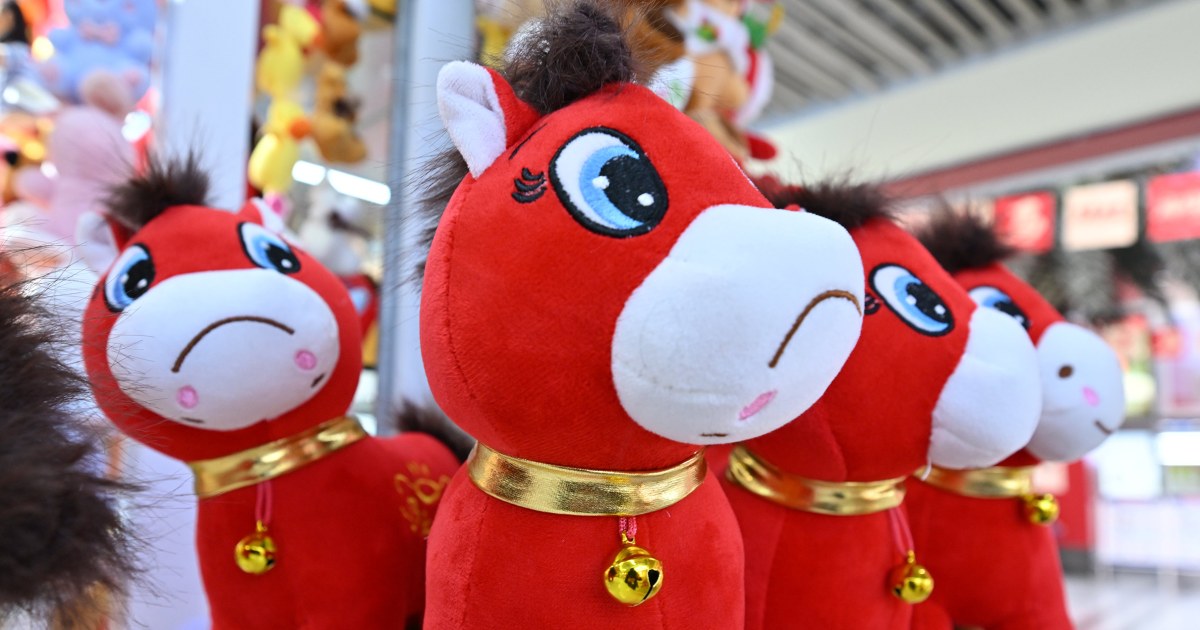
A defective toy known as the 'sad horse' has gone viral in China, resonating with the nation's current mood amid economic struggles and social challenges. This phenomenon highlights how consumer culture can mirror deeper societal sentiments.
The Sad Horse: A Defective Toy Reflects China's Collective Sentiment
In a peculiar turn of events, a defective toy horse has become a viral sensation across social media platforms in China, encapsulating the prevailing mood of disillusionment and frustration among the populace. Dubbed the 'sad horse,' this toy has struck a chord with many, serving as a symbol of the broader anxieties faced by citizens in a nation grappling with economic downturns and social pressures.
A Toy's Journey to Viral Fame
The 'sad horse' first gained attention when videos showcasing its faulty mechanics began circulating online. Instead of the cheerful galloping typically expected from a toy horse, this particular model emits a melancholic whinny while awkwardly wobbling in place. As the clips spread, users began to relate the toy's unexpected behavior to their own experiences of disappointment and frustration in daily life.
Reflecting a Nation's Mood
As the toy's popularity surged, it became a cultural phenomenon that many interpreted as a reflection of the current state of affairs in China. The country has been facing a series of challenges, including a slowing economy, rising unemployment rates, and increasing social unrest. The 'sad horse' has quickly evolved from a mere toy into a metaphor for the collective sentiment of a society feeling the weight of its struggles.
Consumer Culture and Social Commentary
The rise of the 'sad horse' also underscores the interconnectedness of consumer culture and social commentary in China. In an age where social media can amplify voices and sentiments, even a defective toy can become a powerful symbol of discontent. This phenomenon highlights how consumer products can sometimes transcend their intended purpose, becoming vessels for expressing societal frustrations.
Public Reactions and Memes
Social media users have taken the concept of the 'sad horse' and run with it, creating memes, parodies, and even merchandise inspired by the toy. Many have shared their own stories of disappointment, using the 'sad horse' as a relatable figure in their narratives. The toy has sparked discussions about mental health, economic pressures, and the general state of happiness in contemporary China.
The Broader Implications
While the 'sad horse' may seem like a light-hearted viral trend, it serves as a poignant reminder of the underlying issues affecting millions. As the Chinese government continues to navigate economic recovery and social stability, the toy's popularity may reflect a growing need for change and understanding within society. The 'sad horse' could very well be a catalyst for conversations about mental health and the importance of addressing the emotional well-being of citizens.
Conclusion: A Defective Toy with a Defining Message
In conclusion, the 'sad horse' is more than just a defective toy; it is a cultural artifact that encapsulates the mood of a nation. As it continues to capture the imagination of the public, it serves as a reminder of the power of consumer culture to reflect deeper societal sentiments. In a world where happiness can often feel elusive, the 'sad horse' stands as a symbol of shared experiences and the collective yearning for better days ahead.