The Significance of Lunar New Year Customs in Chinese Culture
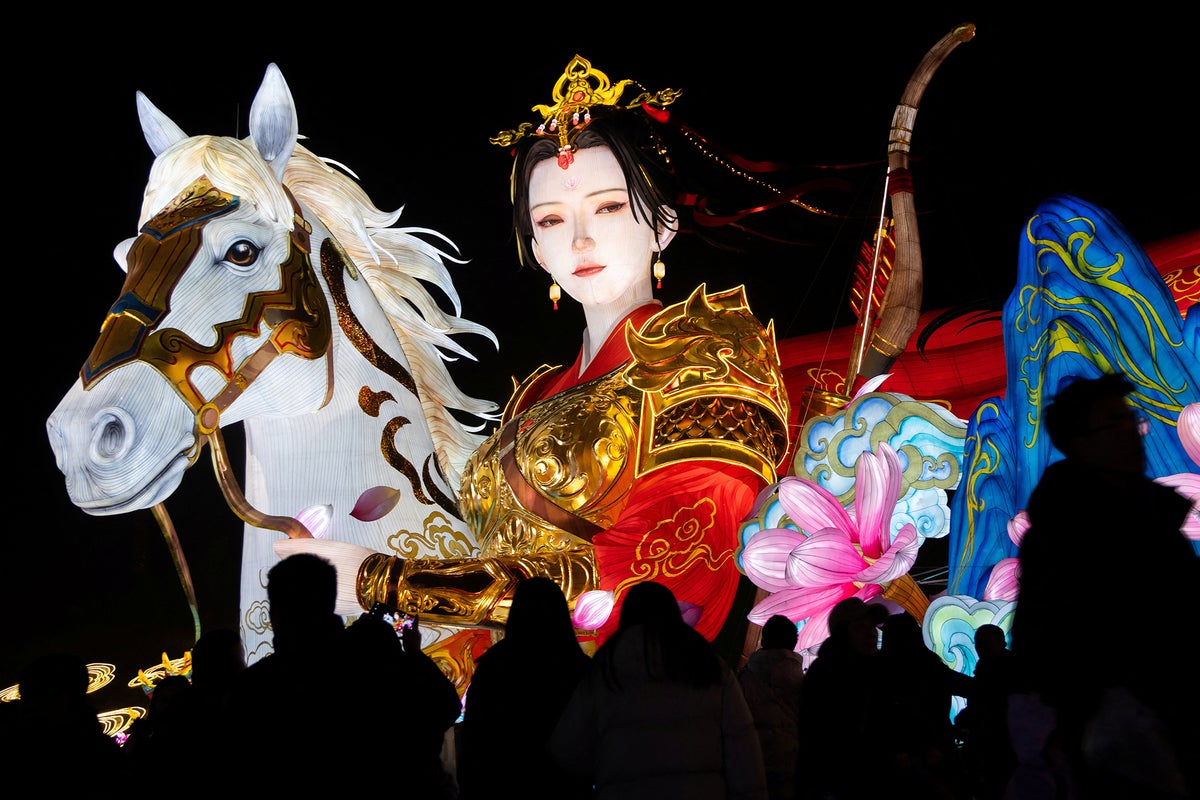
As the Lunar New Year approaches, many Chinese communities observe traditional customs that hold deep cultural significance. This article explores the beliefs surrounding activities such as washing hair and sweeping during this festive period.
Understanding the Cultural Beliefs Surrounding Lunar New Year
The Lunar New Year, also known as the Spring Festival, is a time of renewal and celebration for Chinese communities around the world. It marks the beginning of the lunar calendar and is often associated with various customs and traditions that are believed to bring good fortune for the year ahead. However, certain practices, such as washing hair and sweeping, are considered taboo during this time due to their perceived implications on luck and prosperity.
Washing Hair: A Symbol of Disrespecting Wealth
In many Chinese households, washing hair on the first day of the Lunar New Year is thought to wash away good fortune. The act is often viewed as a way of disrespecting wealth and prosperity. Instead, families are encouraged to keep their hair clean before the New Year arrives, ensuring that they do not inadvertently wash away the blessings that the new year may bring. This belief is rooted in the idea that the first day of the year should be spent in a state of purity and readiness to welcome the new beginnings.
Sweeping: A Gesture of Banishment
Sweeping on New Year's Day is similarly frowned upon, as it is believed to sweep away good luck and fortune. Traditionally, families engage in thorough cleaning before the New Year to rid their homes of any negative energy and to make way for positive vibes. However, once the New Year begins, any sweeping is seen as a way to push away the good luck that has just arrived. This custom highlights the importance of maintaining a positive environment during the festive period, emphasizing the need to embrace good fortune rather than risk losing it.
Embracing Positive Practices
Instead of engaging in activities that may be deemed unlucky, families often partake in rituals that are believed to attract good fortune. This includes decorating homes with red lanterns and couplets, preparing traditional foods, and engaging in family reunions. Each of these practices is steeped in symbolism and serves to reinforce the values of family unity, prosperity, and hope for the future.
The Role of Family and Community
The Lunar New Year is not only a time for personal reflection and renewal but also a significant occasion for family gatherings. It is a time when families come together to honor their ancestors and celebrate their heritage. The customs surrounding the New Year serve as a reminder of the importance of familial bonds and the collective hopes for the year ahead.
Conclusion: Preserving Traditions in a Modern World
As society evolves and modern influences permeate traditional practices, the essence of the Lunar New Year remains a vital part of Chinese culture. While some may choose to adapt or overlook certain customs, the underlying themes of respect, hope, and unity continue to resonate deeply within communities. Understanding and honoring these traditions is essential for preserving cultural identity and fostering a sense of belonging, especially in a rapidly changing world.