The West's Geopolitical Missteps: A Catalyst for China's Ascendancy
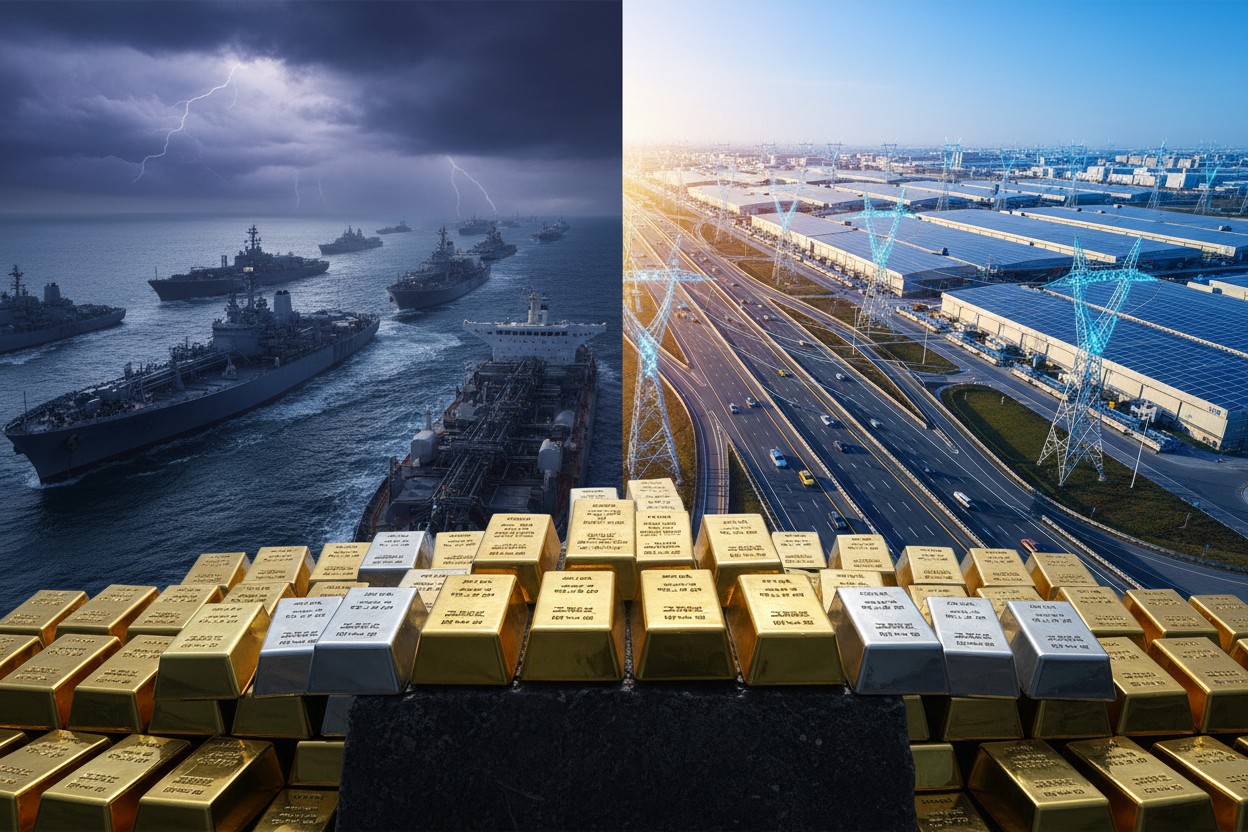
Recent geopolitical blunders by Western nations are inadvertently paving the way for China's rise as a global superpower. This report delves into the implications of these missteps and their impact on international relations.
Introduction
In the ever-evolving landscape of global politics, the actions and decisions of Western nations have significant repercussions, not only for themselves but also for emerging powers like China. Recent analyses suggest that a series of geopolitical blunders by the West are inadvertently accelerating China's ascent on the world stage, leading to a reconfiguration of international relations.
The Geopolitical Context
The last few years have seen a marked shift in the balance of power, with China increasingly asserting itself as a formidable force in international affairs. Analysts argue that this rise is not merely a product of China's strategic planning and economic growth but is also significantly influenced by the miscalculations of Western governments.
Western Blunders and Their Consequences
One of the most notable blunders has been the West's handling of trade relations with China. The imposition of tariffs and sanctions has not only strained economic ties but has also galvanized Chinese nationalism and unity. Instead of weakening China's economy, these actions have fostered a sense of resilience and determination among its populace, further solidifying the government's grip on power.
Moreover, the West's military engagements in various regions, particularly in the Middle East, have diverted attention and resources away from the Asia-Pacific, allowing China to expand its influence unchallenged. The focus on counterterrorism and regional conflicts has led to a neglect of the rising tensions in the South China Sea and Taiwan Strait, where China has been assertive in its territorial claims.
China's Strategic Maneuvers
In response to the perceived vacuum created by Western distractions, China has embarked on a series of strategic initiatives. The Belt and Road Initiative (BRI), for instance, aims to enhance connectivity and trade across Asia, Europe, and Africa, thereby establishing China as a central hub in global commerce. This ambitious project not only strengthens economic ties with participating countries but also extends China's geopolitical influence.
Furthermore, China's technological advancements, particularly in areas like artificial intelligence and telecommunications, have positioned it as a leader in the digital realm. The West's failure to adequately address cybersecurity threats and technological competition has allowed China to gain a competitive edge, further solidifying its status as a global superpower.
The Role of International Alliances
As the West grapples with its own internal challenges, including political polarization and economic instability, China has been actively forging alliances with other nations. Countries in the Global South, many of which have historically felt marginalized by Western powers, are increasingly looking to China as a partner for development and investment. This shift in allegiance poses a significant challenge to Western hegemony.
Conclusion
The geopolitical landscape is witnessing a profound transformation, with China's rise being accelerated by the missteps of Western nations. As the West continues to grapple with its own challenges, it must reassess its strategies and approach to international relations. Failure to do so may result in a world where China not only emerges as a superpower but also reshapes the global order in ways that could have long-lasting implications for international stability and cooperation.