Tokenized Pre-IPO Shares Spark Legal Debate at Consensus Hong Kong 2026
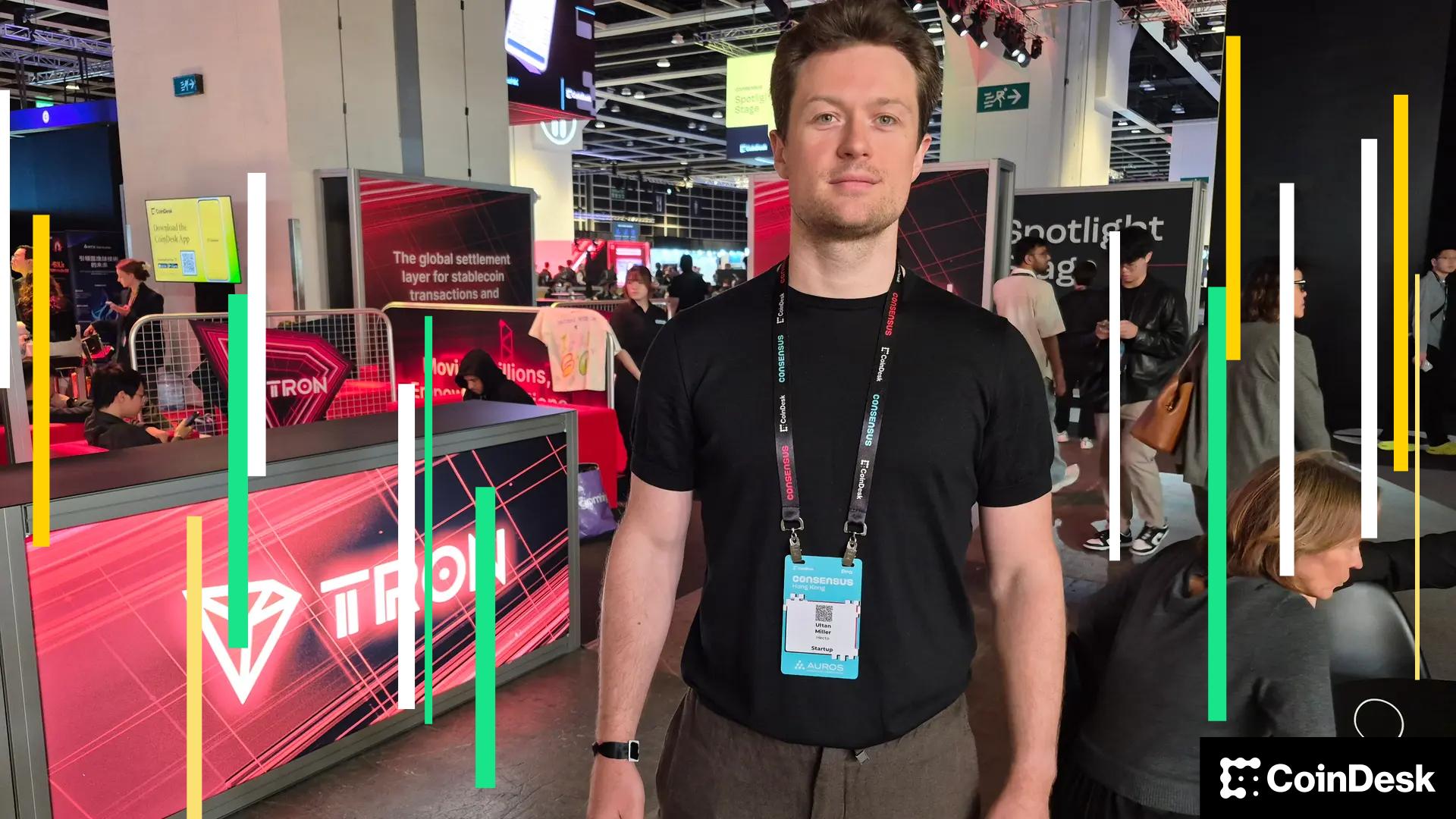
The recent Consensus Hong Kong 2026 conference has brought the topic of tokenized pre-IPO shares to the forefront, igniting discussions on legal implications and regulatory frameworks. Industry experts and legal professionals gathered to explore the potential and challenges of this innovative financial instrument.
Introduction to Tokenized Pre-IPO Shares
The Consensus Hong Kong 2026 conference, a pivotal event in the blockchain and cryptocurrency landscape, has become a platform for heated discussions regarding the legality and implications of tokenized pre-IPO shares. As the financial world increasingly embraces blockchain technology, the intersection of traditional finance and digital assets is drawing attention from regulators, investors, and legal experts alike.
The Rise of Tokenization in Finance
Tokenization refers to the process of converting rights to an asset into a digital token on a blockchain. This innovation has the potential to revolutionize how assets are traded, providing greater liquidity, transparency, and accessibility. Pre-IPO shares, traditionally reserved for institutional investors, are now being considered for tokenization, allowing a broader base of investors to participate in early-stage funding rounds.
Legal Challenges and Regulatory Concerns
Despite the promising advantages of tokenized pre-IPO shares, the legal landscape remains murky. At Consensus Hong Kong 2026, experts highlighted several key legal challenges that need to be addressed. One major concern is the classification of tokenized shares under existing securities laws. The question of whether these tokens should be treated as securities or utility tokens is critical, as it determines the regulatory framework that applies to them.
Additionally, the potential for fraud and market manipulation in a largely unregulated environment raises alarms. Legal professionals emphasized the need for a robust regulatory framework that can protect investors while fostering innovation. The lack of clarity in regulations can deter institutional investors from participating in tokenized offerings, which could stifle growth in this emerging market.
Industry Perspectives
During the conference, various stakeholders shared their perspectives on the future of tokenized pre-IPO shares. Some industry leaders advocated for a proactive approach to regulation, suggesting that regulators should work closely with the blockchain community to develop guidelines that promote innovation while ensuring investor protection.
Others expressed concerns that overly stringent regulations could hinder the growth of this nascent market. They argued that flexibility and adaptability are crucial for the evolution of tokenized assets, allowing for experimentation and the development of best practices.
Case Studies and Real-World Applications
Several companies have already begun exploring the potential of tokenized pre-IPO shares. Case studies presented at the conference illustrated how tokenization can democratize access to investment opportunities, enabling retail investors to participate in high-growth companies before they go public. These examples sparked discussions about the implications for traditional venture capital and private equity models.
The Future of Tokenized Pre-IPO Shares
As the discussions at Consensus Hong Kong 2026 unfolded, it became clear that the future of tokenized pre-IPO shares is both promising and fraught with challenges. The need for a balanced regulatory approach that encourages innovation while safeguarding investors is paramount. The conference served as a crucial meeting point for stakeholders to collaborate on solutions that can shape the future of finance.
Conclusion
In conclusion, the debate surrounding tokenized pre-IPO shares at Consensus Hong Kong 2026 underscores the transformative potential of blockchain technology in finance. As the industry navigates the complexities of regulation and legal frameworks, the outcome will significantly impact how investment opportunities are structured and accessed in the years to come.