Trial Against Tiananmen Vigil Organizers Begins in Hong Kong
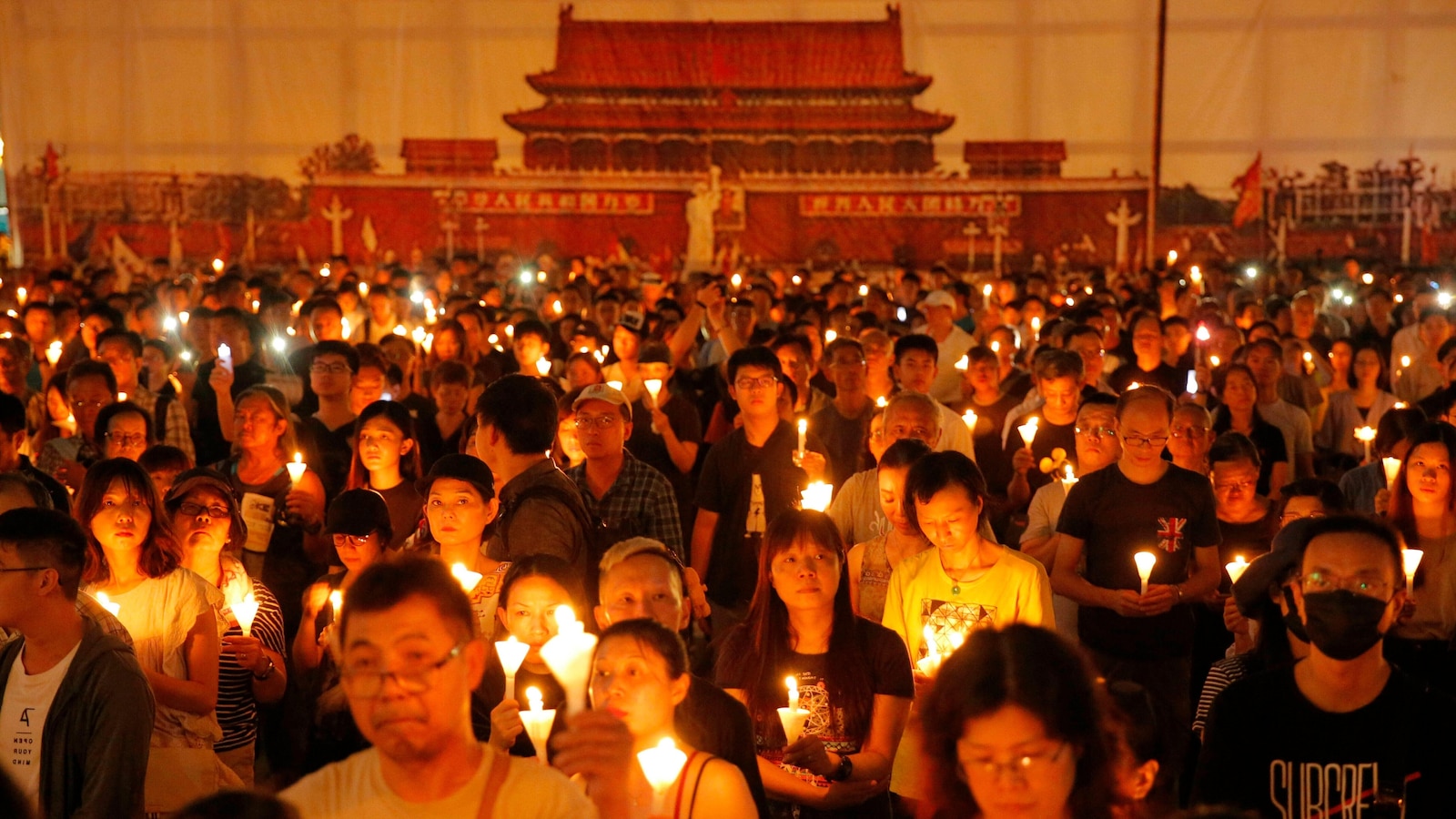
The trial of prominent Tiananmen vigil organizers commenced in Hong Kong, marking a significant moment in the city's ongoing struggle for freedom of expression. The case has drawn international attention, highlighting the tensions between local activists and the Chinese government.
Introduction
The trial of several key organizers of the Tiananmen Square vigil in Hong Kong has officially begun, drawing significant attention both locally and internationally. This case represents a pivotal moment in the ongoing struggle for freedom of expression in the city, as it comes amid heightened scrutiny of pro-democracy movements and increasing pressure from the Chinese government.
Background of the Vigil
For over three decades, Hong Kong has held annual vigils to commemorate the 1989 Tiananmen Square protests, where thousands of pro-democracy demonstrators were killed by the Chinese military. These vigils have become a symbol of the city's unique political identity and its historical commitment to free speech. However, in recent years, the Hong Kong government has cracked down on dissent, particularly following the imposition of the National Security Law in 2020.
The Defendants
The trial involves several prominent figures from the Hong Kong Alliance in Support of Patriotic Democratic Movements of China, the organization that has traditionally organized the vigils. Among the defendants are veteran activists such as Lee Cheuk-yan, who has been a leading voice in the pro-democracy movement for decades. The charges against them include inciting others to participate in an unauthorized assembly and failing to comply with police orders.
Legal Proceedings
The trial commenced on Monday, with the prosecution presenting evidence that includes social media posts and public statements made by the defendants. The defense argues that the charges are politically motivated and infringe upon the defendants' rights to free speech and assembly. Observers note that the trial is not just about the individuals involved but also about the broader implications for civil liberties in Hong Kong.
International Reaction
The trial has drawn condemnation from international human rights organizations and foreign governments. The United States, among others, has expressed concern over the ongoing repression of dissent in Hong Kong and called for the charges against the activists to be dropped. Human Rights Watch has labeled the trial a “political sham,” emphasizing that it is part of a larger pattern of silencing dissent in the region.
Public Sentiment
Public sentiment in Hong Kong remains divided. While many residents continue to support the pro-democracy movement and the legacy of the Tiananmen protests, others express fear of repercussions from the government. The vigil, which has been banned in recent years, has seen a decline in participation, reflecting the chilling effect of the National Security Law on public gatherings and protests.
Future Implications
The outcome of this trial could set a significant precedent for future activism in Hong Kong. If the defendants are convicted, it may deter others from organizing similar events or speaking out against the government. Conversely, an acquittal could embolden the pro-democracy movement, although many activists fear that the government will continue to find ways to suppress dissent regardless of the trial's outcome.
Conclusion
The trial of the Tiananmen vigil organizers is emblematic of the broader struggle for democracy and human rights in Hong Kong. As the world watches closely, the case highlights the ongoing tensions between the aspirations of Hong Kong’s citizens and the tightening grip of the Chinese government on the region.