Trial of Tiananmen Vigil Organizers Highlights Ongoing Crackdown on Dissent in Hong Kong
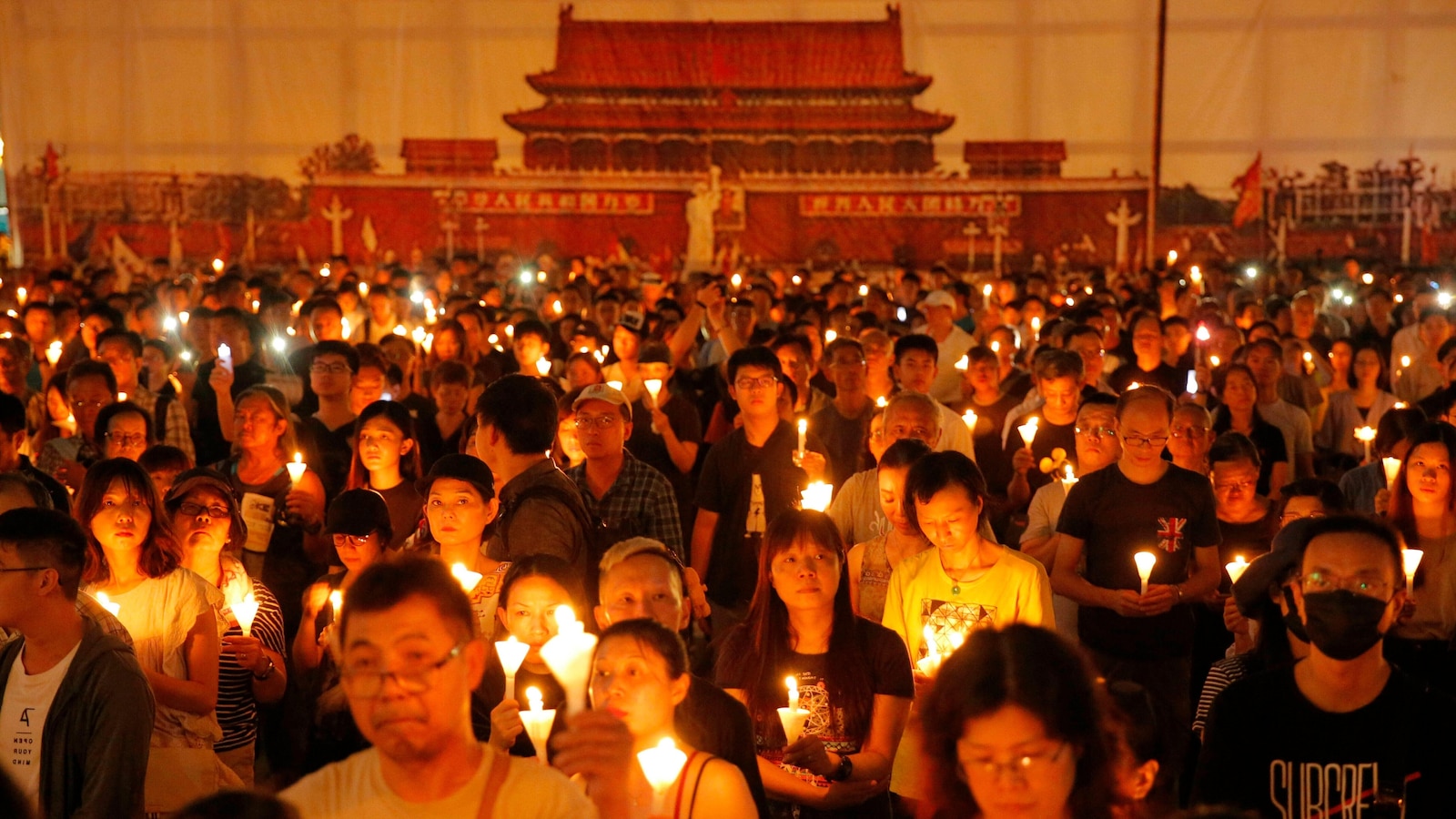
The trial of prominent figures involved in organizing Tiananmen Square vigil events in Hong Kong underscores the city's deteriorating freedoms. As authorities continue to suppress dissent, the case raises significant concerns about the future of civil liberties in the region.
Introduction
In a significant legal proceeding that has drawn international attention, the trial of several key organizers of the annual Tiananmen Square vigil is currently underway in Hong Kong. This trial is emblematic of the ongoing crackdown on dissent in the city, following the imposition of the National Security Law in 2020, which has severely curtailed freedoms and civil liberties.
Background of the Vigil
The Tiananmen Square vigil, held annually in Hong Kong on June 4th, commemorates the pro-democracy protests of 1989 that were violently suppressed by the Chinese government. For decades, Hong Kong was one of the few places in China where public remembrance of the events could take place freely. However, this tradition has faced increasing challenges in recent years, particularly after the introduction of the National Security Law.
The Accused
The trial involves several prominent figures from the now-dissolved Hong Kong Alliance in Support of Patriotic Democratic Movements of China, the organization that led the vigils. Among those on trial are veteran activists such as Lee Cheuk-yan, who served as the alliance's chairman, and other key members who have been charged with inciting public disorder and violating the security law.
Charges and Legal Proceedings
The charges against the organizers stem from their efforts to promote and conduct the vigil in 2020, when the event was banned by authorities citing COVID-19 restrictions. Prosecutors argue that the defendants' actions constituted a threat to national security, while the defense contends that the charges are politically motivated and aimed at stifling dissent.
International Reaction
The trial has prompted widespread condemnation from human rights organizations and foreign governments. Critics argue that the proceedings are part of a broader strategy by the Hong Kong government to eliminate any form of political opposition. The United States, in particular, has expressed concern over the erosion of freedoms in Hong Kong and has called for the immediate release of the activists.
Impact on Civil Society
The trial is not just a legal battle for the defendants but also represents a critical moment for civil society in Hong Kong. Many fear that the outcome could set a dangerous precedent, further chilling free expression and activism in the region. The Hong Kong Alliance, which was once a powerful voice for democracy, has been disbanded, and many of its members have been arrested or have fled into exile.
Public Sentiment
Despite the risks, public sentiment remains divided. While many citizens support the activists and their cause, others are wary of the potential repercussions of dissent in an increasingly authoritarian environment. The trial has sparked discussions among residents about the future of democracy and freedom in Hong Kong, with some expressing a sense of hopelessness and others a determination to continue the fight for their rights.
Conclusion
The trial of the Tiananmen vigil organizers is more than just a legal case; it is a reflection of the ongoing struggle for democracy and human rights in Hong Kong. As the world watches, the outcome of this trial will likely have lasting implications for the city’s political landscape and its citizens' ability to express dissent.