Trial of Tiananmen Vigil Organizers Sparks Global Attention
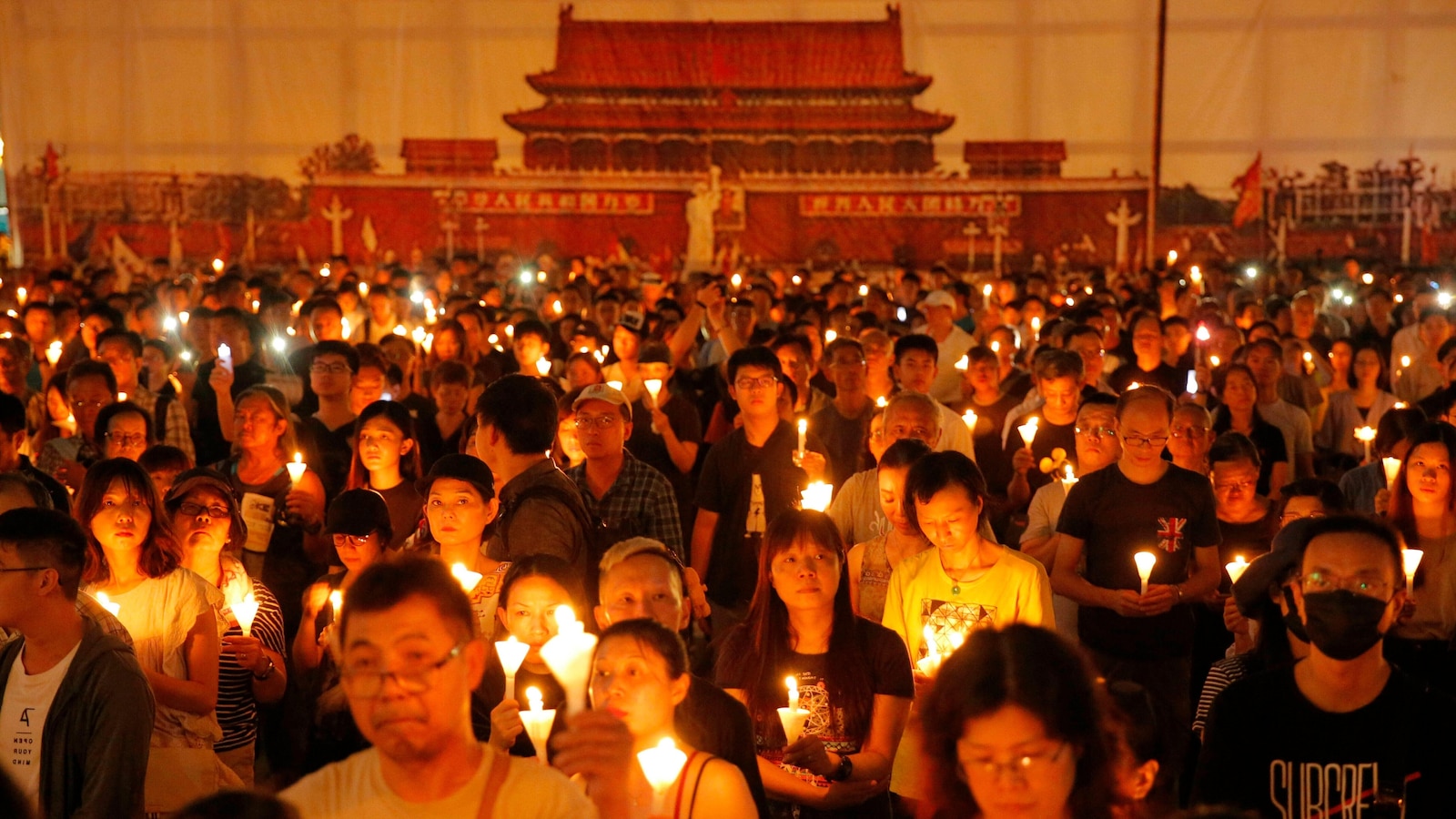
The trial of prominent organizers of the Tiananmen Square vigil in Hong Kong has begun, drawing international scrutiny and highlighting the ongoing tensions surrounding freedom of expression in the region. As the city grapples with its political landscape, the case represents a significant moment for activists and supporters of democratic values.
Introduction
The trial of key figures behind the annual Tiananmen Square vigil in Hong Kong commenced this week, capturing global attention and raising questions about the future of dissent in the city. The vigil, which has been a symbol of remembrance for the 1989 pro-democracy protests in Beijing, has faced increasing restrictions in recent years, particularly following the imposition of the National Security Law in 2020.
Background of the Vigil
For over three decades, the Tiananmen vigil has been held in Victoria Park, where thousands gather to honor the victims of the violent crackdown on pro-democracy demonstrators in Beijing. However, the event has been banned in recent years, with authorities citing public health concerns during the COVID-19 pandemic and security risks under the new national law.
The Accused
Among those on trial are prominent activists such as Chow Hang-tung, who served as the vice-chairperson of the Hong Kong Alliance in Support of Patriotic Democratic Movements of China, the group that organized the vigil. The defendants face charges related to inciting and participating in an unauthorized assembly, which could result in severe penalties if convicted.
International Reaction
The trial has drawn widespread condemnation from human rights organizations and foreign governments, who argue that it exemplifies the erosion of civil liberties in Hong Kong. The United States State Department issued a statement urging the Hong Kong authorities to drop the charges against the organizers, emphasizing the importance of free expression and assembly.
Local Context
The proceedings come amid a broader crackdown on dissent in Hong Kong, where many pro-democracy activists have been jailed or have fled abroad. The chilling effect of the National Security Law has left many citizens wary of expressing their views, leading to a significant decline in public demonstrations and political activism.
Legal Proceedings
During the trial, the prosecution is expected to present evidence of the organizers' alleged roles in inciting unrest and violating assembly laws. The defense argues that the vigil was a peaceful expression of collective memory and should be protected under the right to free speech. Observers have noted that the trial's outcome could set a precedent for future cases involving political dissent in the city.
Public Sentiment
As the trial unfolds, public sentiment remains divided. While many in Hong Kong continue to support the vigil and its organizers, others express concern over the potential repercussions of participating in protests or expressing dissent. The trial has reignited discussions about the balance between national security and individual rights, a debate that is increasingly relevant in the current political climate.
Conclusion
The trial of the Tiananmen vigil organizers is not just a legal proceeding; it is a reflection of the ongoing struggle for democratic freedoms in Hong Kong. As the world watches closely, the outcome will likely have lasting implications for the city's civil society and its relationship with mainland China.