Trump's China Visit: A Diplomatic Balancing Act Amidst Global Tensions
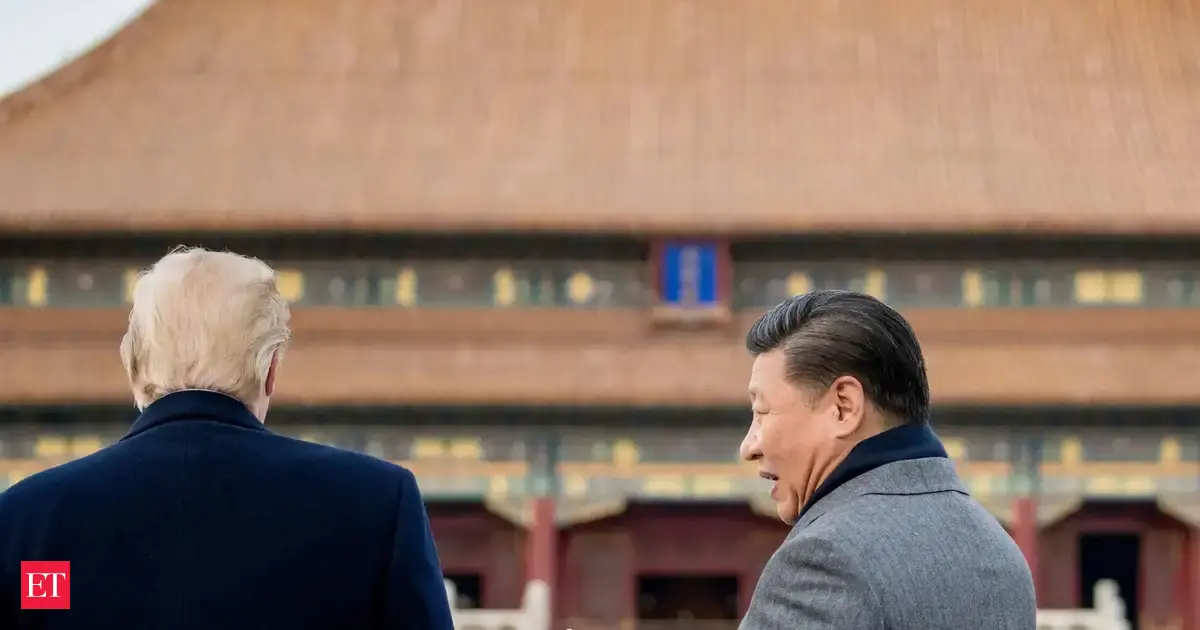
Former President Donald Trump embarks on a crucial diplomatic visit to China, seeking to strengthen ties and secure economic wins in the wake of escalating tensions due to the Iran conflict. This visit underscores the complexities of international relations as the U.S. navigates its position in a rapidly changing geopolitical landscape.
Introduction
In a move that underscores the intricate web of international diplomacy, former President Donald Trump is set to visit China amidst rising tensions stemming from the ongoing conflict in Iran. This visit, which comes at a critical juncture for U.S.-China relations, aims to bolster economic ties and seek mutual benefits in an increasingly complex geopolitical environment.
The Context of the Visit
Trump's trip to China is not merely a diplomatic formality; it is a strategic maneuver aimed at securing economic wins for the U.S. following the fallout from the Iran war. The conflict has strained U.S. resources and attention, prompting the former president to look towards China, a key player in the global economy, for potential partnerships and trade agreements.
Economic Implications
The economic landscape has shifted dramatically in recent years, with China emerging as a dominant force. Trump's administration previously focused on a confrontational approach to trade, which resulted in tariffs and a trade war that has left both nations grappling with economic repercussions. Now, as he seeks to mend fences, the focus will likely shift towards collaboration in sectors such as technology, agriculture, and renewable energy.
Geopolitical Considerations
Trump's visit comes at a time when China is asserting its influence in the Asia-Pacific region, raising concerns in Washington. The U.S. is keen to counter China's growing military presence and assertiveness in territorial disputes, particularly in the South China Sea. Trump's approach will be closely watched, as he must balance the need for cooperation with the necessity of addressing these security concerns.
Public Sentiment and Domestic Politics
Domestically, Trump's visit is also a calculated move to bolster his standing among voters who prioritize economic growth and international stability. Amidst a backdrop of political polarization, demonstrating a commitment to international diplomacy could resonate with a broader electorate, especially as he gears up for future political endeavors.
Challenges Ahead
However, the road ahead is fraught with challenges. The relationship between the U.S. and China has been characterized by mistrust, and Trump's previous rhetoric has often complicated diplomatic efforts. Furthermore, the ongoing fallout from the Iran conflict may overshadow discussions, as allies and adversaries alike scrutinize the U.S.'s foreign policy direction.
Conclusion
As Trump prepares for his visit to China, the stakes are high. This diplomatic engagement is not just about mending ties but also about recalibrating U.S. foreign policy in an era defined by rapid change and uncertainty. The outcomes of this visit could have lasting implications for U.S.-China relations and the broader international order.