Trump's Economic Squeeze on Iran Faces Major Challenge from China
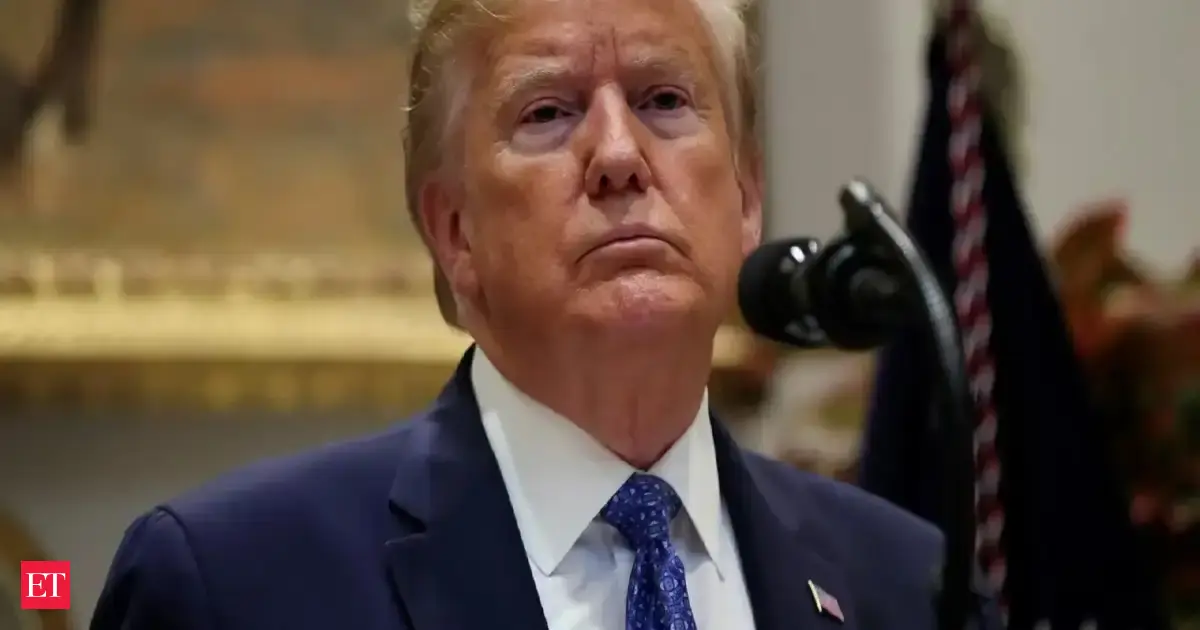
Former President Donald Trump's renewed economic sanctions against Iran are encountering significant resistance from China, which maintains strong ties with Tehran. This geopolitical tug-of-war highlights the complexities of international relations in the face of economic pressure.
Introduction
In a significant shift in international relations, former President Donald Trump has reasserted his economic sanctions against Iran, aiming to further isolate the country on the global stage. However, this strategy faces a formidable challenge from China, which continues to strengthen its economic and diplomatic ties with Tehran. As the geopolitical landscape evolves, the implications of this dynamic are profound, affecting not only the Middle East but also global economic stability.
Trump's Economic Strategy
Since his presidency, Trump has adopted a hardline approach towards Iran, characterized by the withdrawal from the Joint Comprehensive Plan of Action (JCPOA) in 2018 and the subsequent reinstatement of stringent economic sanctions. These measures are designed to cripple Iran's economy and limit its ability to fund regional proxies and nuclear ambitions. The Trump administration's objective is clear: to exert maximum pressure on Tehran to negotiate a more favorable agreement.
China's Role in the Equation
China, as one of Iran's largest trading partners, plays a crucial role in countering the impact of U.S. sanctions. The two nations have strengthened their economic ties through a 25-year cooperation agreement, which encompasses investments in various sectors, including energy, infrastructure, and technology. This partnership not only provides Iran with much-needed economic support but also allows China to secure energy resources and expand its influence in the Middle East.
Challenges for U.S. Policy
The challenge for U.S. policymakers is multifaceted. While the sanctions are intended to isolate Iran economically, China's unwavering support complicates this goal. Beijing's commitment to maintaining a robust relationship with Tehran undermines the effectiveness of U.S. sanctions and raises questions about the feasibility of achieving a diplomatic resolution through economic pressure alone.
Geopolitical Implications
The growing partnership between China and Iran has broader implications for international relations. As China seeks to expand its Belt and Road Initiative, Iran's strategic location makes it a vital partner in connecting Asia with Europe and beyond. This collaboration not only enhances Iran's economic resilience but also positions China as a key player in Middle Eastern geopolitics.
Responses from the International Community
Reactions to this evolving situation have varied across the international community. European nations, which were part of the JCPOA, have expressed concerns about the potential for increased tensions in the region. They advocate for a diplomatic approach that includes Iran while also seeking to address the security concerns posed by its nuclear program. Meanwhile, other nations may view China's engagement with Iran as an opportunity to counterbalance U.S. influence in the region.
The Future of U.S.-Iran Relations
As the Biden administration navigates the complexities of U.S.-Iran relations, the challenge remains to find a viable path forward that addresses both Iran's nuclear ambitions and the regional security concerns of U.S. allies. The presence of China in this equation adds a layer of complexity that cannot be ignored. Moving forward, the U.S. may need to reassess its strategies to account for the realities of a multipolar world where economic alliances significantly impact geopolitical outcomes.
Conclusion
Trump's renewed economic squeeze on Iran faces a significant challenge from China, which is committed to maintaining and expanding its relationship with Tehran. As this geopolitical tug-of-war unfolds, the implications for international relations and global economic stability will be profound, necessitating careful consideration from policymakers around the world.