Trump's State of the Union Address: A Notable Omission of China Amidst Mockery
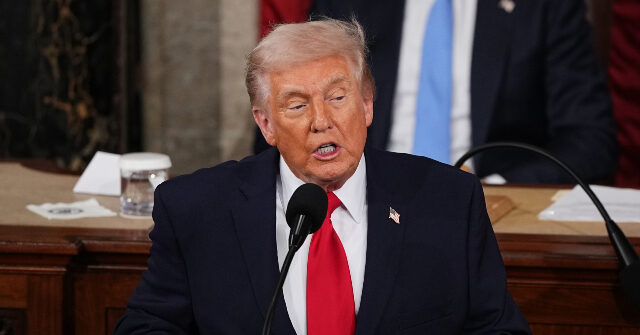
In his recent State of the Union address, former President Donald Trump notably left China out of his discussion, except to make light of the nation. This omission raises questions about the evolving dynamics of U.S.-China relations and its implications on international diplomacy.
Trump's Address Highlights Shifting Focus
In a striking move during his latest State of the Union address, former President Donald Trump chose to omit any substantial discussion of China, a country that has been a focal point of U.S. foreign policy in recent years. Instead, he utilized the platform to mock the nation, highlighting a shift in how he perceives China's role in global affairs.
Mockery Over Diplomacy
Trump's address featured a brief mention of China, but it was primarily framed in a context of ridicule rather than serious diplomatic engagement. This approach reflects a broader trend in U.S. politics where rhetoric often overshadows meaningful dialogue. Critics argue that such mockery detracts from the gravity of the issues at stake, including trade disputes, human rights concerns, and geopolitical tensions.
The Context of U.S.-China Relations
The relationship between the U.S. and China has been fraught with challenges, particularly during Trump's presidency. His administration adopted a confrontational stance, imposing tariffs and labeling China as a strategic competitor. However, the recent omission of China from a significant address raises questions about the current administration's strategy and its implications for future relations.
Reactions from Political Analysts
Political analysts have noted that Trump's approach may resonate with certain segments of the American public who are wary of China's growing influence. However, they caution that mocking a global power without addressing the underlying issues could lead to increased tensions and misunderstandings. The absence of a constructive dialogue may hinder efforts to resolve critical issues such as climate change, trade imbalances, and security concerns in the Asia-Pacific region.
Public Perception and Media Response
Media outlets have responded to Trump's address with a mix of skepticism and concern. Many commentators argue that while humor can be an effective political tool, it should not replace substantive policy discussions. The international community is watching closely, and the lack of a coherent strategy regarding China may send mixed signals about U.S. intentions on the global stage.
Looking Ahead: The Future of U.S.-China Relations
As the geopolitical landscape continues to evolve, the need for a nuanced understanding of U.S.-China relations becomes increasingly vital. Experts suggest that future administrations must strike a balance between addressing legitimate concerns about China's actions while also fostering cooperation on global challenges. The recent State of the Union address serves as a reminder of the complexities involved in international diplomacy.
Conclusion
Trump's State of the Union address, marked by its notable omission of serious discussion about China, raises important questions about the future of U.S.-China relations. As tensions persist and the global order shifts, the need for constructive dialogue and engagement remains paramount. The international community awaits a more comprehensive approach that goes beyond mockery and addresses the pressing issues at hand.