Trump's Venezuela Raid: Implications for China's Influence in South America
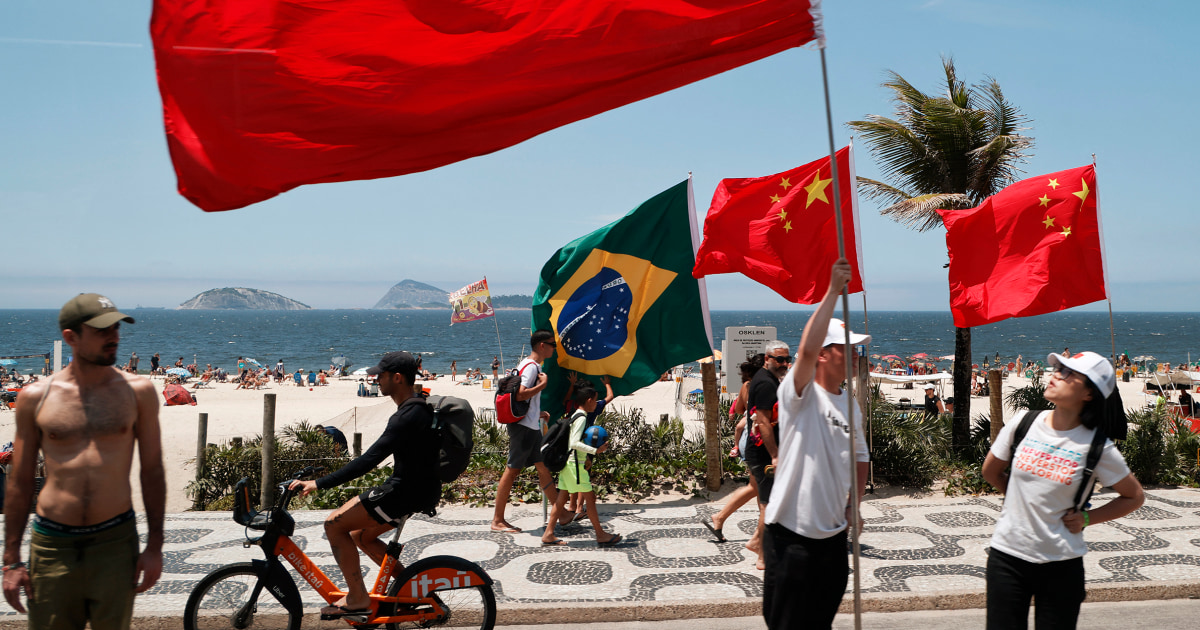
The recent military operation in Venezuela by the Trump administration raises questions about its effectiveness in curbing China's growing influence in South America. Experts suggest that despite U.S. efforts, China's strategic investments and partnerships may continue to thrive in the region.
Introduction
The recent military operation in Venezuela, ordered by the Trump administration, has sparked a flurry of discussions regarding its potential impact on China's influence in South America. As the U.S. aims to counteract the growing presence of China in the region, analysts are questioning whether such actions can effectively alter the dynamics of international relations in South America.
The Context of U.S. Military Operations
In a surprising move, the Trump administration authorized a military raid in Venezuela, targeting high-profile figures associated with the Maduro regime. This operation was framed within the broader context of U.S. efforts to restore democracy in Venezuela and to dismantle what it perceives as a threat to regional stability. However, the underlying motive appears to be a strategic maneuver to counter China's expanding influence in Latin America.
China's Expanding Footprint
Over the past two decades, China has significantly increased its investments in South America, particularly in Venezuela, where it has provided billions in loans and infrastructure projects. These investments have allowed China to forge strong ties with local governments, often in direct opposition to U.S. interests. Analysts argue that despite the U.S. military's efforts, the entrenched nature of China's relationships in the region may not be easily disrupted.
Challenges to U.S. Strategy
Experts point out several challenges that could undermine the effectiveness of the U.S. military operation. Firstly, the Venezuelan military remains loyal to Maduro, and any external intervention could provoke a nationalist backlash, further solidifying support for the regime. Secondly, China's economic leverage in the region provides it with a buffer against U.S. actions. Countries like Venezuela, which are heavily indebted to China, may be reluctant to align with U.S. interests, fearing repercussions on their economic stability.
Geopolitical Implications
The geopolitical landscape in South America is increasingly complex, with countries navigating their relationships between the U.S. and China. While the U.S. seeks to reassert its influence, China continues to expand its Belt and Road Initiative, which includes investments in infrastructure, energy, and technology across the continent. This initiative not only strengthens China's economic foothold but also enhances its political clout, making it a formidable competitor to U.S. interests.
The Role of Regional Actors
Regional actors also play a crucial role in shaping the influence of both the U.S. and China in South America. Countries like Brazil and Argentina are critical players, and their foreign policies will significantly impact the balance of power. As these nations navigate their relationships with both superpowers, their decisions could either bolster or undermine U.S. efforts to counteract China's influence.
Conclusion
The recent military operation in Venezuela highlights the complexities of U.S. foreign policy in Latin America, particularly in the face of China's growing influence. While the Trump administration may view military action as a means to curb this influence, the realities on the ground suggest that such efforts may not yield the desired results. As both nations vie for dominance in the region, the future of U.S.-China relations in South America remains uncertain, with significant implications for global geopolitics.