Tung Chee-hwa, Hong Kong's First Post-Colonial Leader, Passes Away at 89
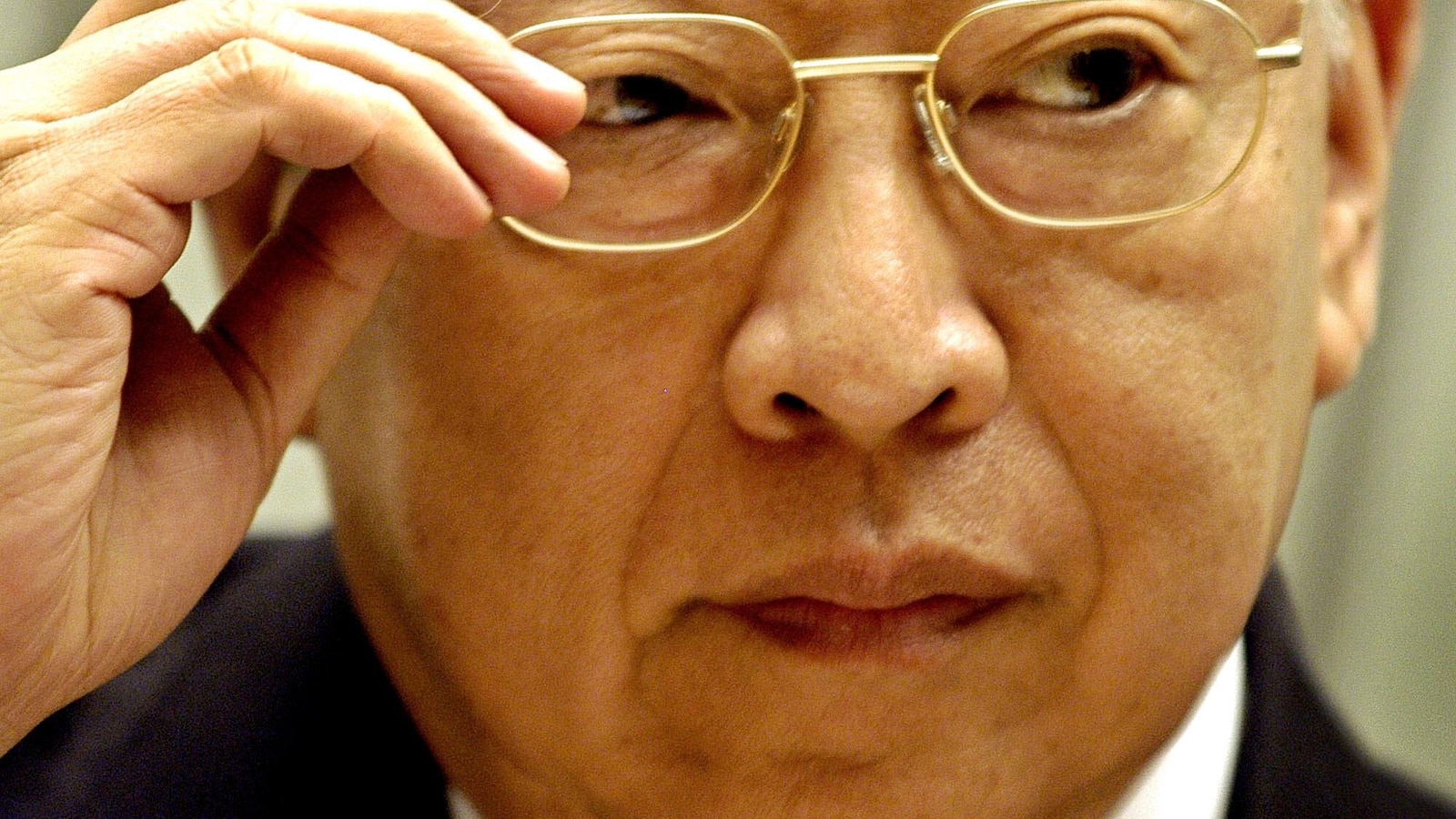
Tung Chee-hwa, the first Chief Executive of Hong Kong after its handover from British rule, has died at the age of 89. His leadership during a pivotal time in Hong Kong's history has left a lasting impact on the city.
Former Chief Executive's Legacy
Tung Chee-hwa, who served as Hong Kong's first Chief Executive following its handover from British to Chinese rule in 1997, has passed away at the age of 89. His death marks the end of an era for a city that has undergone significant transformations since its return to Chinese sovereignty.
A Life Dedicated to Public Service
Tung was born on July 7, 1937, in Shanghai, China, and later moved to Hong Kong, where he became a prominent businessman before entering politics. His career in public service began in the 1980s, and he was appointed as the first Chief Executive of the Hong Kong Special Administrative Region (HKSAR) in 1997, a position he held until 2005.
Challenges and Achievements
During his tenure, Tung faced numerous challenges, including the Asian financial crisis of 1997 and the outbreak of the SARS epidemic in 2003. Despite these adversities, he is credited with implementing significant economic reforms and infrastructure projects that shaped modern Hong Kong.
One of his notable achievements was the development of the Hong Kong International Airport at Chek Lap Kok, which opened in 1998 and has since become a major global aviation hub. Tung also championed the development of the West Kowloon Cultural District, a large-scale project aimed at enhancing Hong Kong's cultural landscape.
Political Landscape and Controversies
Tung's leadership was not without controversy. His administration faced criticism for its handling of political dissent and public protests, particularly during the 2003 protests against a proposed national security law. These events highlighted the growing tensions between the local population and the central government in Beijing.
His tenure also saw the rise of pro-democracy movements, which called for greater political freedoms and electoral reforms. Tung's approach to governance was often seen as aligned with Beijing's directives, which led to a perception of diminishing autonomy in the region.
A Lasting Impact
Despite the controversies, Tung's influence on Hong Kong's development is undeniable. He played a crucial role in navigating the complexities of the post-colonial transition and laid the groundwork for Hong Kong's integration into China. His vision for the city emphasized economic growth, stability, and international engagement.
Tributes and Remembrance
Following the announcement of his passing, tributes poured in from various sectors of society. Current Chief Executive John Lee expressed condolences and acknowledged Tung's contributions to the city. Lee noted that Tung's leadership during a critical time in Hong Kong's history helped to establish the foundations for the city's future.
Many former colleagues and political figures also shared their memories of Tung, highlighting his commitment to public service and his efforts to foster a sense of unity in a diverse society. His legacy will continue to be a topic of discussion as Hong Kong navigates its future amid ongoing political and social challenges.
Conclusion
Tung Chee-hwa's passing marks a significant moment in Hong Kong's history. As the first leader of the HKSAR, his contributions and challenges will be remembered as the city continues to evolve in the face of new realities. His life and work remain a testament to the complexities of governance in a post-colonial context.