UK Immigration Officer Convicted for Spying for Chinese Intelligence
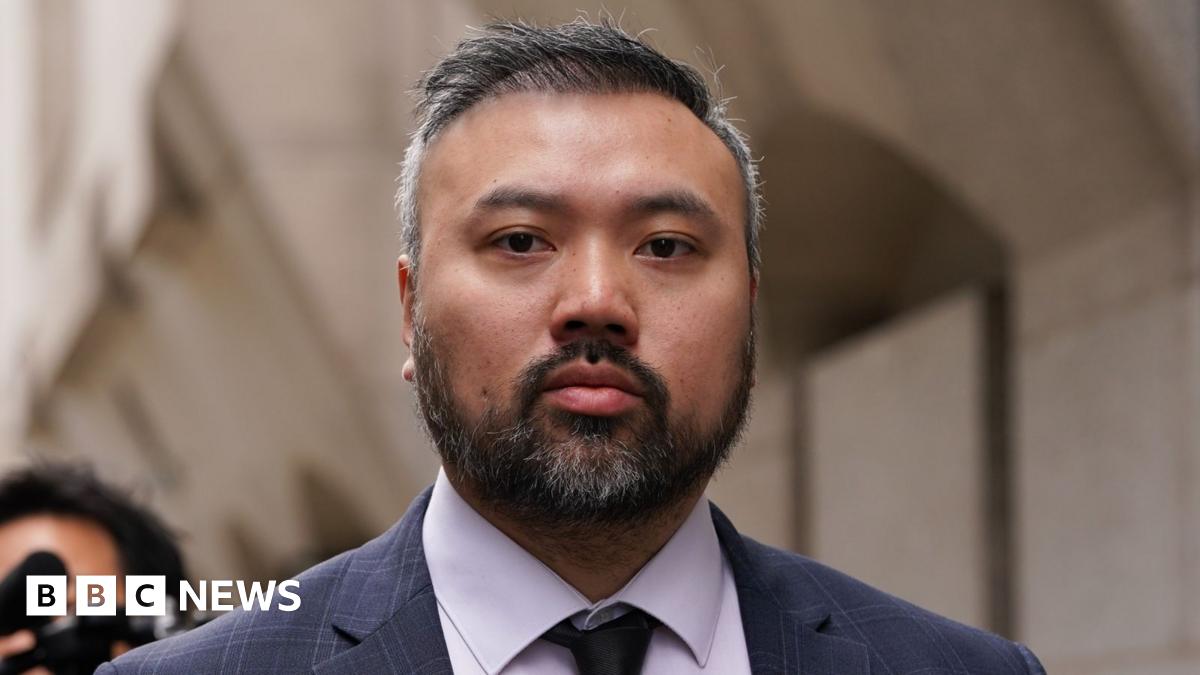
A UK immigration officer and another man have been found guilty of espionage for Chinese intelligence. This case raises significant concerns about national security and foreign interference in the UK.
Introduction
In a landmark case that has sent shockwaves through the United Kingdom, a former immigration officer and another individual have been convicted of working for Chinese intelligence. The verdict, delivered by a jury in a London court, highlights growing concerns over foreign espionage and the infiltration of sensitive government positions.
The Conviction
The two men, identified as 31-year-old Leo Cheng, a former UK immigration officer, and 27-year-old Daniel Hsu, were found guilty of conspiring to supply information to a foreign government. The court heard that Cheng had been in contact with Chinese agents and had provided them with sensitive information regarding immigration processes and individuals seeking asylum in the UK.
Details of the Espionage
Evidence presented during the trial revealed that Cheng had been approached by Chinese intelligence operatives while working in his official capacity. He was accused of passing on confidential information that could potentially aid the Chinese government in identifying dissidents and others who may pose a threat to its regime. Hsu, who acted as an intermediary, was also found guilty of facilitating these communications.
National Security Concerns
This case has raised serious alarms regarding national security in the UK. The conviction of a government employee for espionage underscores the vulnerabilities within the immigration system and the potential for foreign powers to exploit these weaknesses. Experts have warned that the infiltration of government agencies by foreign intelligence services poses a significant risk to national security and public safety.
Government Response
In response to the verdict, UK Home Secretary Suella Braverman stated, "This case serves as a stark reminder of the threats we face from hostile foreign actors. We must remain vigilant and ensure that our immigration systems are protected from exploitation." The government is expected to review its policies and procedures to bolster security measures and prevent similar incidents in the future.
Public Reaction
The public reaction to the case has been one of shock and concern. Many citizens have expressed their fears about the implications of such espionage activities on their safety and the integrity of the UK’s immigration system. The case has also sparked a broader debate about the effectiveness of current measures in place to protect sensitive information from foreign interference.
Conclusion
The conviction of Leo Cheng and Daniel Hsu marks a significant moment in the ongoing battle against espionage and foreign interference in the UK. As the government grapples with the implications of this case, it is clear that more stringent measures may be necessary to safeguard national security and protect the integrity of public institutions. The ramifications of this case will likely be felt for years to come, as the UK continues to navigate the complex landscape of international relations and security threats.