Understanding Taiwan's Independence: A Complex Reality
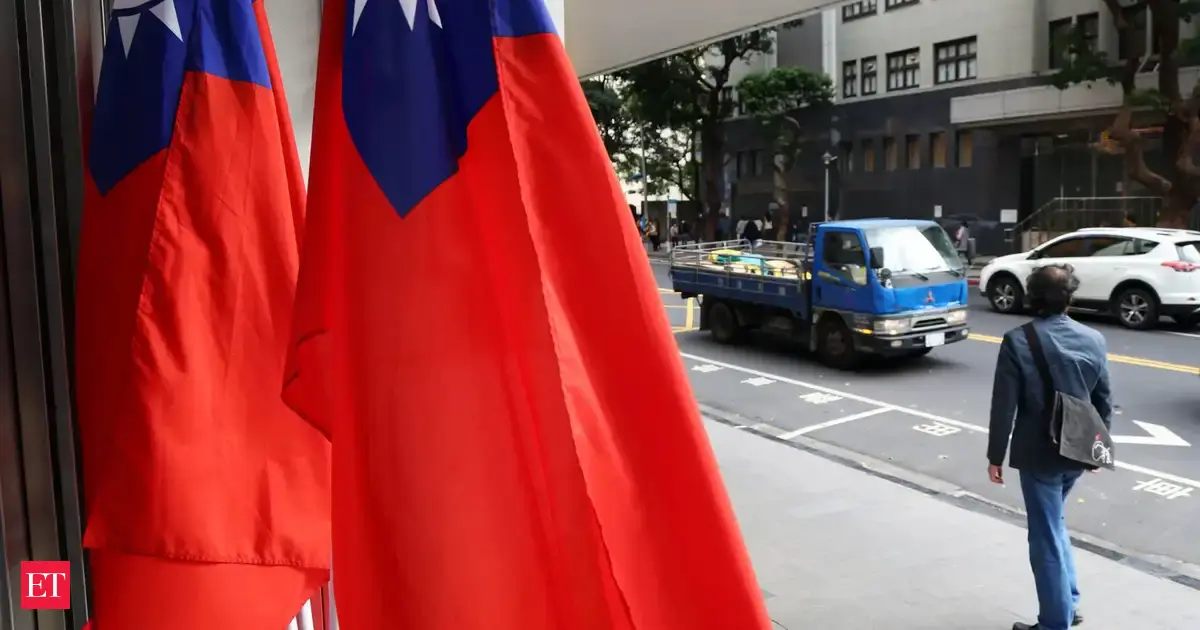
This article explores the nuances of Taiwan's independence, examining its current status and the implications of its relationship with Mainland China. The ongoing debate over Taiwan's sovereignty continues to shape regional and international dynamics.
Introduction
In recent years, the question of Taiwan's independence has become increasingly prominent in global discussions regarding East Asian geopolitics. As tensions between Taiwan and Mainland China rise, understanding Taiwan's current status and the implications of its quest for independence is crucial for both regional stability and international relations.
What is Taiwan Independence?
Taiwan independence refers to the political movement advocating for the formal recognition of Taiwan as a sovereign nation, separate from the People's Republic of China (PRC). The roots of this movement can be traced back to the end of the Chinese Civil War in 1949, when the Republic of China (ROC) government retreated to Taiwan after losing to the Communist Party of China. Since then, Taiwan has developed its own political system, economy, and identity, distinct from that of Mainland China.
The Current Status of Taiwan
Despite functioning as a separate entity with its own government, military, and democratic elections, Taiwan's independence remains a contentious issue. The PRC considers Taiwan a breakaway province and has not ruled out the use of force to achieve reunification. In contrast, many Taiwanese people view themselves as distinct from Mainland China, with a growing number supporting formal independence.
International Recognition and Support
Internationally, Taiwan's status is complicated by the One China Policy, which recognizes the PRC as the sole legal government of China. As a result, Taiwan is not a member of the United Nations and is only recognized by a handful of countries. However, Taiwan maintains informal relations with several nations, including the United States, which has provided military and diplomatic support to the island.
The Role of the United States
The United States plays a significant role in Taiwan's defense and international standing. The Taiwan Relations Act, enacted in 1979, mandates that the U.S. provide Taiwan with the means to defend itself. This has led to ongoing arms sales and military cooperation, which have further strained U.S.-China relations. The U.S. has also reaffirmed its commitment to Taiwan's security in the face of increasing military threats from the PRC.
Public Sentiment in Taiwan
Public opinion in Taiwan regarding independence is divided. While a significant portion of the population supports maintaining the status quo, a growing number of younger Taiwanese identify as solely Taiwanese rather than Chinese. This shift in identity is reflected in the increasing support for independence, particularly among the younger generation, who are less connected to the historical ties with Mainland China.
Challenges to Independence
Despite the growing sentiment for independence, several challenges remain. The PRC's military posturing, including frequent military drills near Taiwan, serves as a reminder of the potential consequences of a formal declaration of independence. Additionally, economic ties between Taiwan and Mainland China complicate the independence narrative, as many Taiwanese businesses rely on the Chinese market.
Conclusion
The question of Taiwan's independence is multifaceted and deeply rooted in historical, political, and social contexts. As Taiwan continues to navigate its identity and relationship with Mainland China, the international community watches closely. The future of Taiwan's sovereignty remains uncertain, but the desire for self-determination among its people is clear.