US Free-Climber Triumphantly Scales Taiwan's Iconic 101-Storey Skyscraper
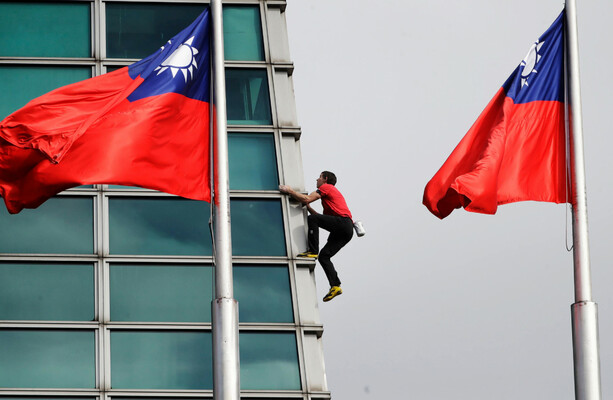
In an awe-inspiring feat of athleticism and determination, a US free-climber has successfully scaled Taiwan's renowned Taipei 101 skyscraper. This remarkable achievement highlights the growing popularity of urban climbing and the adventurous spirit of thrill-seekers worldwide.
US Free-Climber Triumphantly Scales Taiwan's Iconic 101-Storey Skyscraper
In a breathtaking display of skill and courage, a professional free-climber from the United States has successfully scaled the Taipei 101 skyscraper, one of Taiwan's most recognizable landmarks. The daring ascent, which took place earlier this week, has garnered international attention and sparked discussions about the boundaries of urban climbing.
A New Heights of Adventure
The climber, whose identity has not been disclosed, began the ascent early in the morning to avoid crowds and take advantage of cooler temperatures. The Taipei 101, standing at 508 meters (1,667 feet) tall, was once the tallest building in the world and remains a symbol of Taiwan's economic prowess and architectural innovation. The climber's journey to the top was documented on social media, where it quickly went viral, captivating audiences around the globe.
Challenges and Risks
Scaling such a monumental structure is no easy feat. The climber faced numerous challenges, including navigating the building's intricate façade, which is designed to withstand typhoons and earthquakes. The ascent required not only physical strength and agility but also a keen understanding of the building's architecture and the surrounding environment.
Urban climbing, while exhilarating, is fraught with risks. Authorities in Taiwan have expressed concerns over safety and legality, as unauthorized climbs can lead to dangerous situations for both climbers and bystanders. However, this latest climb has reignited discussions about the sport's place in urban environments and the thrill-seeking culture that accompanies it.
The Cultural Impact of Urban Climbing
Urban climbing has gained popularity in recent years, with climbers around the world seeking out iconic structures to conquer. This trend has not only highlighted the physical capabilities of climbers but has also sparked conversations about urban spaces and how they can be reimagined. The Taipei 101 climb is a testament to the adventurous spirit that defines this subculture.
In Taiwan, the event has been met with mixed reactions. While many celebrate the climber's achievement as a testament to human determination and athleticism, others caution against the potential dangers and legal ramifications of such stunts. Local authorities have reiterated the importance of adhering to safety regulations and obtaining the necessary permits for climbing activities.
Community Reactions
Social media platforms have been abuzz with reactions to the climb, with many praising the climber's skills and daring nature. Videos and images of the ascent have been shared widely, showcasing the stunning views from the top of the skyscraper. Supporters argue that such acts inspire others to push their limits and explore new heights, both literally and metaphorically.
Conversely, critics have voiced concerns about the glorification of dangerous stunts and the potential for copycat attempts that could lead to accidents. As urban climbing continues to gain traction, it is essential for climbers to prioritize safety and respect the structures they choose to scale.
Conclusion
The successful climb of Taipei 101 by a US free-climber has not only captured the imagination of adventure enthusiasts but has also opened up a broader dialogue about urban climbing and its implications. As the sport evolves, it will be crucial for climbers and authorities to work together to ensure that these thrilling pursuits can be enjoyed safely and responsibly.