US Imposes Sanctions on Twelve Entities Linked to Iranian Oil Sales to China
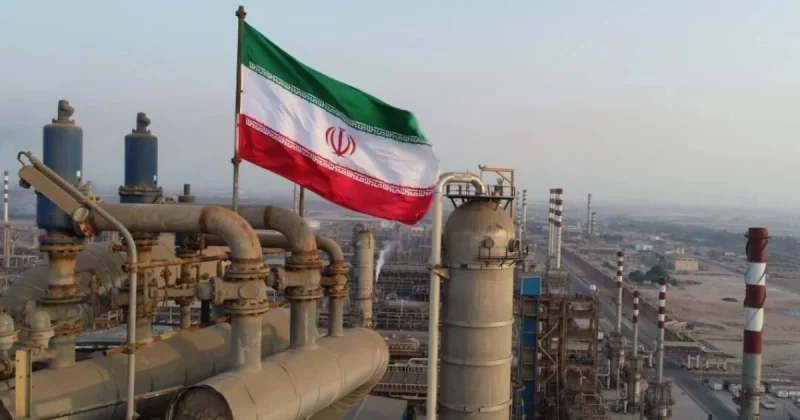
The United States has announced sanctions against twelve entities involved in the sale of Iranian oil to China, intensifying its efforts to curb Iran's oil exports. This move raises concerns over the implications for international trade and diplomatic relations in the region.
US Sanctions Target Iranian Oil Sales
In a significant escalation of its ongoing campaign against Iran's oil exports, the United States has imposed sanctions on twelve entities accused of facilitating the sale of Iranian oil to China. This move, announced by the U.S. Department of the Treasury, aims to disrupt Iran's ability to generate revenue from its oil sector, which is a crucial component of its economy.
Details of the Sanctions
The sanctioned entities include several companies and individuals based in various countries, including China. The U.S. government alleges that these entities have been involved in the transportation and sale of Iranian oil, which has been subject to strict sanctions since the U.S. withdrew from the Joint Comprehensive Plan of Action (JCPOA) in 2018. The sanctions are designed to deter other nations and companies from engaging in similar activities, reinforcing the U.S. stance on Iran's nuclear ambitions and its regional influence.
Impact on China-Iran Relations
China has emerged as a key buyer of Iranian oil, particularly in the wake of U.S. sanctions. The relationship between Beijing and Tehran has strengthened, with both countries seeking to bolster economic ties amidst growing tensions with the United States. The recent sanctions may complicate this relationship, as Chinese companies could face repercussions for continuing to engage in oil trade with Iran.
International Reactions
The announcement of these sanctions has drawn mixed reactions from the international community. While some countries support the U.S. efforts to curb Iran's oil exports, others criticize the sanctions as an infringement on national sovereignty and a tool of economic warfare. Analysts suggest that the sanctions could lead to increased tensions in the region, particularly as Iran has vowed to continue its oil exports despite U.S. pressure.
Economic Ramifications
The sanctions are expected to have significant economic implications not only for Iran but also for the global oil market. As Iran seeks alternative markets for its oil, the dynamics of supply and demand could shift, potentially leading to fluctuations in oil prices. This situation poses challenges for countries that rely on stable oil prices, including those in Asia and Europe.
Future Prospects
Looking ahead, the U.S. government has indicated that it will continue to impose sanctions on entities involved in Iranian oil sales as part of its broader strategy to counter Iran's influence in the Middle East. The effectiveness of these sanctions remains to be seen, as Iran has shown resilience in finding ways to circumvent restrictions and maintain its oil exports.
Conclusion
The imposition of sanctions on twelve entities linked to Iranian oil sales to China marks a critical moment in U.S.-Iran relations and highlights the complexities of international trade in the energy sector. As the situation evolves, stakeholders in the global oil market will be closely monitoring the developments, which could have far-reaching consequences for energy security and geopolitical stability.