US Intensifies Chip War Against China Ahead of Trump-Xi Summit
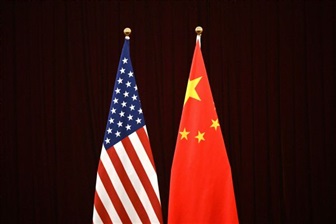
The United States has ramped up its efforts to curb China's semiconductor ambitions, specifically targeting Hua Hong Semiconductor's plans to advance to 7nm chip technology. This move comes just days before a highly anticipated summit between President Trump and President Xi Jinping.
US Intensifies Chip War Against China Ahead of Trump-Xi Summit
In a significant escalation of the ongoing chip war, the United States has targeted Hua Hong Semiconductor, aiming to thwart the Chinese company's ambitions to develop advanced 7nm chip technology. This development arrives just ahead of a crucial summit between US President Donald Trump and Chinese President Xi Jinping, raising questions about the future of US-China relations and the global semiconductor landscape.
The Biden administration has been increasingly vigilant about China's technological advancements, particularly in the semiconductor sector, which is vital for national security and economic competitiveness. The US government has already imposed a series of restrictions on technology exports to China, particularly focusing on advanced chip manufacturing capabilities.
Hua Hong Semiconductor, a leading player in China's chip manufacturing industry, has been making strides in its technological capabilities. The company's ambitions to produce 7nm chips, which are essential for high-performance computing and artificial intelligence applications, have drawn the ire of US officials who fear that such advancements could bolster China's military and technological prowess.
According to sources, the US Department of Commerce is preparing to implement stricter export controls that would specifically target the equipment and technology necessary for Hua Hong to achieve its 7nm goals. These measures are expected to further complicate China's efforts to become self-sufficient in semiconductor production, a key objective outlined in its national strategy.
The timing of this escalation is particularly noteworthy, as it coincides with the upcoming summit between Trump and Xi, where both leaders are expected to discuss a range of contentious issues, including trade, technology, and security. Analysts suggest that the US's aggressive stance on chip technology could serve as a bargaining chip in negotiations, potentially influencing the outcomes of the summit.
Experts warn that the ongoing chip war could have far-reaching implications not only for US-China relations but also for the global semiconductor supply chain. The semiconductor industry is already grappling with supply chain disruptions caused by the COVID-19 pandemic, and further restrictions could exacerbate these challenges.
China has been vocal in its criticism of US export controls, labeling them as an attempt to stifle its technological progress and maintain US dominance in the global market. In response, Chinese officials have reiterated their commitment to achieving self-reliance in semiconductor manufacturing, a goal that has gained renewed urgency in light of recent US actions.
As the summit approaches, the stakes are high for both nations. For the US, maintaining its technological edge is paramount, while for China, advancing its semiconductor capabilities is crucial for its economic and military ambitions. The outcome of this summit could set the tone for future interactions between the two superpowers and shape the trajectory of the global technology landscape.
In conclusion, the US's decision to target Hua Hong Semiconductor's 7nm ambitions marks a significant moment in the ongoing chip war, reflecting the broader geopolitical tensions between Washington and Beijing. As both sides prepare for the upcoming summit, the world watches closely to see how these developments will unfold and what they mean for the future of technology and international relations.