US Sanctions Campaign Faces Major Challenges Amidst China's Resistance
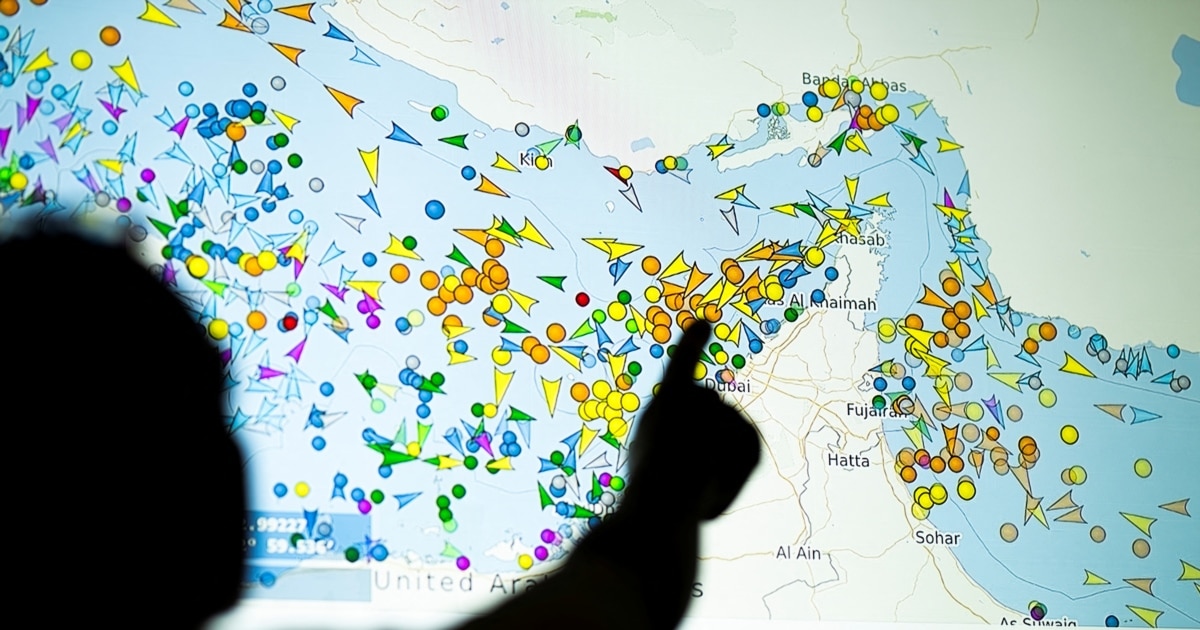
The United States' sanctions campaign against China is encountering significant hurdles as Beijing shows reluctance to comply. This situation raises questions about the effectiveness of US foreign policy and the potential for escalating tensions.
Introduction
The United States has long utilized sanctions as a tool of foreign policy, particularly against nations it perceives as threats to its interests. However, as the US sanctions campaign against China approaches a critical juncture, it faces unprecedented challenges. Recent developments suggest that China is not only resistant to these measures but is also taking steps to counteract them, raising concerns about the efficacy of US strategies.
The Current Landscape of US Sanctions
In recent years, the US has imposed a series of sanctions targeting various sectors of the Chinese economy, including technology, finance, and trade. These measures are aimed at curbing China's influence and addressing issues such as intellectual property theft, human rights violations, and military expansion in the South China Sea. However, the effectiveness of these sanctions has come under scrutiny as China demonstrates its ability to adapt and resist.
China's Response to Sanctions
China's response to US sanctions has been multifaceted. On one hand, Beijing has sought to strengthen its domestic industries, reducing reliance on foreign technology and resources. This strategy includes significant investments in research and development, aimed at fostering innovation within China. On the other hand, China has also engaged in diplomatic efforts to build alliances with other nations, countering the US narrative and seeking to diminish the impact of sanctions.
The Role of International Alliances
China's ability to withstand US sanctions is further bolstered by its growing international partnerships. Countries such as Russia, Iran, and several nations in Africa and Latin America have expressed solidarity with China, often criticizing US sanctions as unilateral and coercive. This shift in global alliances complicates the US's position and raises questions about the long-term viability of its sanctions strategy.
Potential Consequences for US Foreign Policy
The challenges posed by China's resistance to US sanctions could have significant implications for American foreign policy. As the Biden administration navigates this complex landscape, it must reassess its approach to China. A failure to adapt could lead to increased tensions and a potential escalation of conflict, both economically and politically.
Looking Ahead: The Future of US-China Relations
As the US sanctions campaign faces its biggest test, the future of US-China relations hangs in the balance. Analysts suggest that a more nuanced approach may be necessary, one that balances pressure with diplomacy. Engaging China in dialogue and seeking common ground could prove more effective than a purely adversarial stance.
Conclusion
The current state of US-China relations is fraught with challenges, particularly as the US sanctions campaign encounters significant resistance from Beijing. As both nations navigate this complex landscape, the potential for escalation remains high. Moving forward, the effectiveness of US foreign policy will depend on its ability to adapt to these new realities and find a path toward constructive engagement with China.