Workers in China Express Concerns Over AI Job Displacement
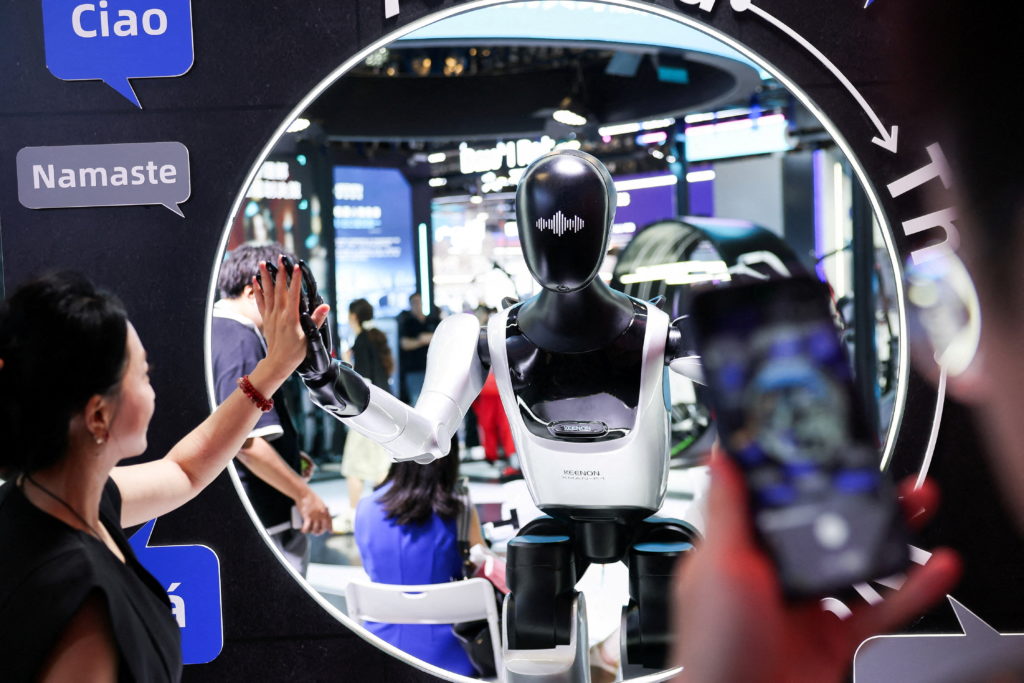
As artificial intelligence technologies advance, workers in China are increasingly worried about job security. The fear of being replaced by machines is prompting calls for more robust labor protections and retraining programs.
Introduction
In recent years, the rapid advancement of artificial intelligence (AI) technologies has sparked a wave of anxiety among workers in Mainland China. As industries adopt automation and AI-driven solutions to enhance productivity, many employees fear that their jobs may soon be at risk. This growing concern has led to discussions about the need for stronger labor protections and retraining programs to help workers adapt to the changing job landscape.
The Rise of AI in the Workforce
China has positioned itself as a global leader in AI development, with significant investments aimed at integrating these technologies across various sectors, including manufacturing, finance, and retail. According to a report by PBS, the implementation of AI is expected to replace millions of jobs in the coming years, particularly those involving repetitive tasks. Workers in factories, customer service, and even transportation are among those who are most vulnerable to displacement.
Voices of Concern
Interviews conducted with workers across different industries reveal a common sentiment of unease. A factory worker from Guangdong province expressed, "Every day, I see machines doing what I used to do. It’s frightening to think that I might not have a job in the near future." Similarly, a customer service representative in Beijing noted, "AI chatbots are becoming more sophisticated. I worry that my role will be obsolete soon. I have a family to support, and the thought of losing my job is terrifying." These sentiments reflect a broader trend of anxiety among the workforce as they grapple with the implications of AI on their livelihoods.
Calls for Action
In response to these concerns, labor advocates are urging the government to implement measures to protect workers from the potential fallout of AI integration. Suggestions include the establishment of retraining programs that equip employees with new skills relevant to the evolving job market. A representative from a labor rights organization stated, "We need to ensure that workers are not left behind as technology advances. It’s crucial to provide them with opportunities to learn and adapt to new roles that AI cannot fulfill." This call for action highlights the need for a proactive approach to workforce development in the face of technological change.
Government Response
The Chinese government has acknowledged the challenges posed by AI and automation, emphasizing the importance of balancing technological progress with social stability. In recent policy discussions, officials have indicated a commitment to fostering an environment where workers can thrive alongside emerging technologies. However, critics argue that more concrete actions are needed to address the immediate concerns of displaced workers.
The Future of Work in China
As AI continues to reshape the job landscape, the future of work in Mainland China remains uncertain. While technology has the potential to create new opportunities, it also poses significant risks for those whose jobs may be rendered obsolete. The ongoing dialogue between workers, labor advocates, and the government will be crucial in determining how best to navigate this transition.
Conclusion
The fears surrounding AI job displacement in China are palpable, with many workers grappling with the reality of an uncertain future. As the nation moves forward in its quest for technological advancement, it is imperative that the needs and concerns of the workforce are addressed. Only through collaborative efforts can a balanced approach to AI integration be achieved, ensuring that all workers have the opportunity to thrive in the new economy.