Xi Jinping Declares Chinese Colonization of Taiwan 'Unstoppable' in New Year Message
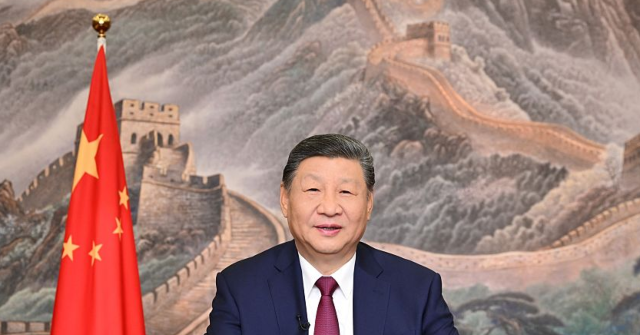
In a bold New Year address, Chinese President Xi Jinping asserted that the colonization of Taiwan is an 'unstoppable' process, raising tensions in the region. This declaration comes amid ongoing concerns regarding China's intentions towards Taiwan and its implications for regional stability.
Xi Jinping's New Year Address Raises Eyebrows
In a striking New Year message, Chinese President Xi Jinping declared that the colonization of Taiwan by China is an 'unstoppable' process, a statement that has ignited concern and speculation about the future of cross-strait relations. The assertion comes at a time when tensions between Taiwan and Mainland China are at a historical high, with many fearing that such rhetoric could lead to more aggressive actions from Beijing.
Context of Xi's Statement
Xi's comments were made during a televised address that emphasized China's commitment to reunification with Taiwan, which he referred to as a 'sacred mission.' The statement is seen as a reflection of the Chinese Communist Party's longstanding view that Taiwan is a part of China, a claim that Taiwan vehemently contests. The phrase 'unstoppable' suggests an unwavering determination from Beijing to pursue its goals regarding Taiwan, regardless of international opposition or local resistance.
Reactions from Taiwan
In response to Xi's declaration, Taiwanese President Tsai Ing-wen reiterated her administration's stance on maintaining Taiwan's sovereignty and democratic way of life. Tsai emphasized that the people of Taiwan will not bow to pressure from Beijing, stating, 'We will not yield to threats and will continue to defend our freedom and democracy.' Her remarks highlight the growing resolve among Taiwanese citizens to resist any form of coercion from the Mainland.
International Implications
Xi's comments have not only stirred reactions within Taiwan but have also drawn sharp criticism from the international community, particularly from the United States. U.S. officials have expressed concern over China's aggressive posture towards Taiwan, viewing it as a potential flashpoint for conflict in the Asia-Pacific region. The U.S. continues to support Taiwan through arms sales and diplomatic engagements, which Beijing perceives as interference in its internal affairs.
The Global Response
Countries in the region, including Japan and Australia, have also voiced their apprehensions regarding China's intentions. Analysts suggest that Xi's remarks could lead to increased military posturing in the Taiwan Strait, as China may feel emboldened to assert its claims more forcefully. This situation raises the stakes for regional security and could prompt a reevaluation of defense strategies among neighboring nations.
Historical Context
The relationship between Taiwan and Mainland China has been fraught with tension since the end of the Chinese Civil War in 1949, when the Nationalist government retreated to Taiwan following its defeat by the Communists. Since then, Taiwan has developed into a vibrant democracy, while China has remained under authoritarian rule. The divergence in political systems and values has only deepened the divide, making any prospects for peaceful reunification increasingly complex.
Looking Ahead
As the world enters 2024, the implications of Xi's New Year message will likely resonate throughout the year. Taiwan's upcoming elections and the international community's response to China's assertive stance will be critical in shaping the future of cross-strait relations. Observers are keenly watching for any signs of escalation or diplomatic breakthroughs as both sides navigate this precarious situation.
Conclusion
Xi Jinping's declaration that the colonization of Taiwan is 'unstoppable' serves as a stark reminder of the ongoing tensions in the region. As Taiwan stands firm in its commitment to sovereignty, the international community must remain vigilant and proactive in addressing the challenges posed by China's ambitions.