Xi Jinping Inspects Beijing Amidst Economic Challenges and Strategic Developments
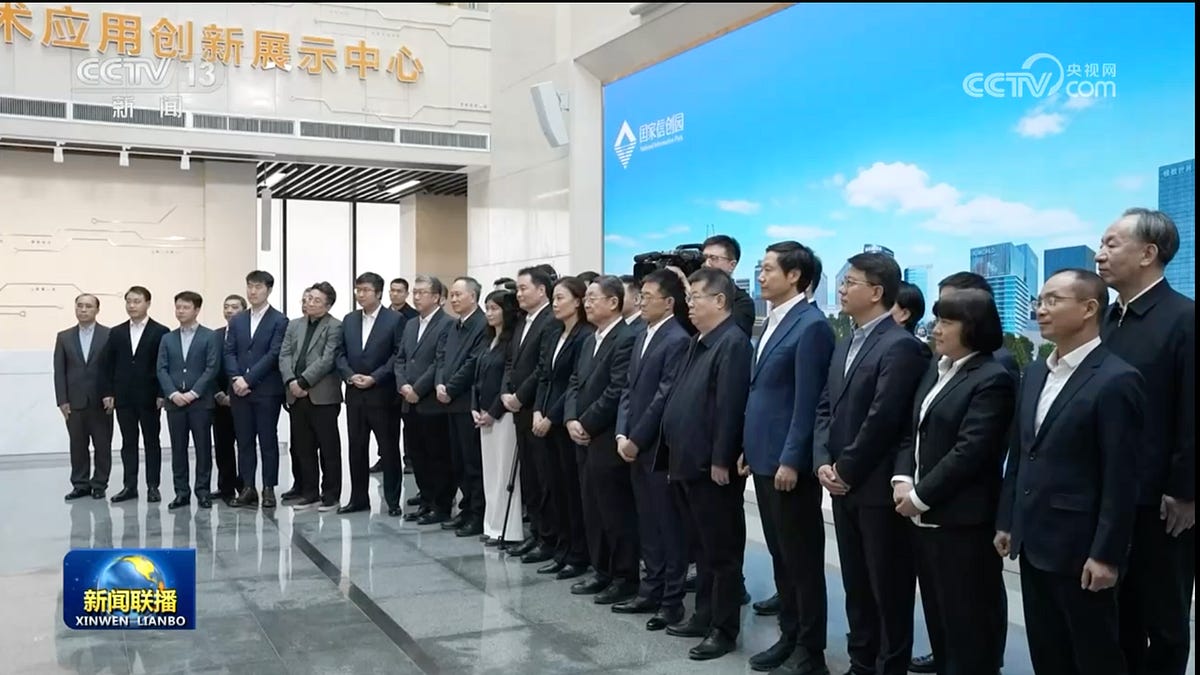
Chinese President Xi Jinping's recent inspection of Beijing highlights the government's focus on economic resilience and strategic resource management. Key discussions included rare earths and the implications for China's global standing.
Xi Jinping's Inspection of Beijing
In a significant move reflecting the Chinese government's ongoing commitment to economic stability and strategic resource management, President Xi Jinping conducted an inspection of Beijing this week. This visit comes at a time when the nation is grappling with various economic challenges, including sluggish growth and international pressures.
Focus on Rare Earths
During his inspection, Xi emphasized the importance of rare earth elements, which are crucial for a wide range of advanced technologies, from smartphones to electric vehicles. Premier Li Qiang, who accompanied Xi, reiterated the government's strategy to bolster domestic production of these vital resources. This focus on rare earths is not merely an economic strategy; it is also a geopolitical maneuver aimed at reducing China's dependency on foreign supply chains and enhancing its competitive edge in global markets.
Implications for Global Trade
The discussions around rare earths are particularly pertinent as China continues to navigate complex trade relationships, especially with the United States. The U.S. has been actively seeking to diversify its supply chains for critical minerals, and China's dominance in this sector poses a significant challenge. By ramping up domestic production, China aims to secure its position as a leader in the global supply chain for high-tech industries.
Hong Kong White Paper and Its Impact
In conjunction with Xi's inspection, the recent release of a white paper on Hong Kong has sparked discussions about the region's role in China's broader economic strategy. The white paper outlines the central government's vision for Hong Kong as a key player in the Greater Bay Area development plan. This initiative aims to integrate Hong Kong more closely with mainland cities, enhancing economic collaboration and innovation.
Taiwan Affairs Work Conference
Moreover, the timing of Xi's inspection coincides with the Taiwan Affairs Work Conference, where officials discussed strategies to manage cross-strait relations. The conference underscored the importance of maintaining stability and promoting economic ties with Taiwan, despite ongoing tensions. Xi's administration is keen on presenting a united front, emphasizing that economic cooperation could be a pathway to easing political frictions.
People's Bank of China Report
In a related development, the People's Bank of China (PBoC) released a report highlighting the current state of the economy and monetary policy. The report indicates that while the economy is facing headwinds, there are signs of resilience, particularly in consumer spending and manufacturing. The PBoC's findings will likely inform future policy decisions as the government seeks to stimulate growth while managing inflationary pressures.
Conclusion
As Xi Jinping continues to navigate the complexities of both domestic and international landscapes, his recent inspection of Beijing serves as a reminder of the multifaceted challenges facing China today. From securing critical resources like rare earths to managing relations with Hong Kong and Taiwan, the government's strategies will play a crucial role in shaping the future trajectory of the nation's economy and its position on the global stage.