Xi Jinping's New Legislation Criminalizes Taiwanese Identity
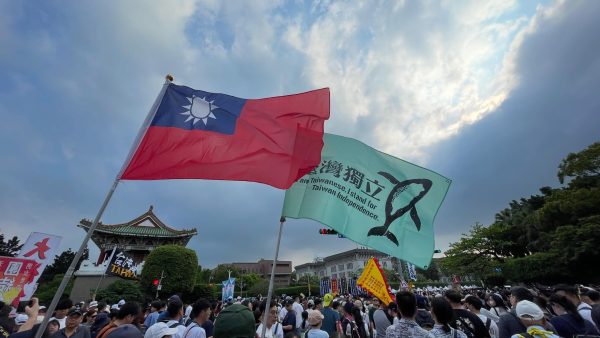
In a significant escalation of tensions, Chinese President Xi Jinping has enacted laws that effectively criminalize the expression of Taiwanese identity. This move is seen as a direct threat to Taiwan's sovereignty and raises concerns over the future of cross-strait relations.
Introduction
In a dramatic shift in policy, Chinese President Xi Jinping has introduced new legislation that criminalizes the expression of Taiwanese identity. This unprecedented move has sparked outrage among Taiwanese citizens and raised alarms within the international community regarding the future of Taiwan's sovereignty.
The New Legislation
The recently enacted laws categorize any form of support for Taiwanese independence or the promotion of a distinct Taiwanese identity as a criminal offense. This includes actions such as public demonstrations, social media posts, and even educational materials that advocate for Taiwan's status as a separate entity from China. The legislation is part of a broader strategy by the Chinese government to assert its claim over Taiwan and suppress any dissenting voices.
Impact on Taiwanese Society
This new legal framework is expected to have profound implications for Taiwanese society. Many citizens fear that expressing their national identity could lead to severe penalties, including imprisonment. The law is particularly concerning for activists and political leaders who have long advocated for Taiwan's independence. The chilling effect of such legislation may stifle public discourse and limit the ability of citizens to engage in political activities.
International Reactions
The international community has reacted with alarm to Xi Jinping's latest move. Governments around the world have condemned the legislation, viewing it as a blatant violation of human rights and an aggressive step towards unification under Beijing's terms. The United States, in particular, has reaffirmed its commitment to supporting Taiwan, emphasizing the need to uphold democratic values and the right to self-determination.
Historical Context
Historically, Taiwan has maintained a separate government and democratic system since the end of the Chinese Civil War in 1949. While Beijing considers Taiwan a breakaway province, the island operates as a de facto independent state. The recent legislation marks a significant escalation in China's efforts to assert control over Taiwan, following years of increasing military pressure and diplomatic isolation.
Public Sentiment in Taiwan
The response from the Taiwanese public has been one of defiance. Many citizens are rallying to express their identity and resist Beijing's attempts to erase it. Protests have erupted across major cities, with demonstrators calling for international support and solidarity against China's encroachment on their freedoms. The sentiment is clear: Taiwanese people are determined to preserve their unique identity and resist authoritarian rule.
Conclusion
Xi Jinping's new legislation represents a dangerous turning point in cross-strait relations, as it seeks to criminalize a fundamental aspect of Taiwanese identity. As tensions escalate, the international community must remain vigilant and supportive of Taiwan's right to self-determination. The future of Taiwan hangs in the balance, and the world is watching closely as events unfold.